How Wizz Air transformed the CEE region's way of travel
Wizz Air transformed Central and Eastern Europe's (CEE) aviation sector since its 2003 founding by delivering ultra-low-cost, point-to-point flights from secondary airports, slashing fares and expanding connectivity for millions previously limited to ground transport or expensive legacy carriers. This ULCC pioneer captured 29% of the regional market, fostering economic growth through tourism, jobs, and intra-regional links.
Pioneering market expansion
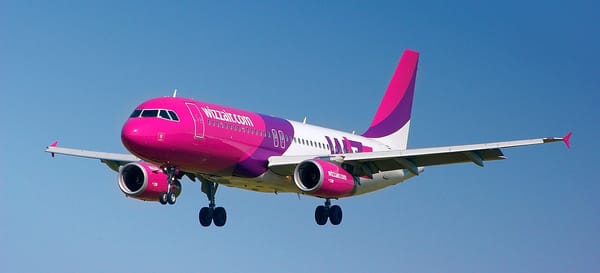
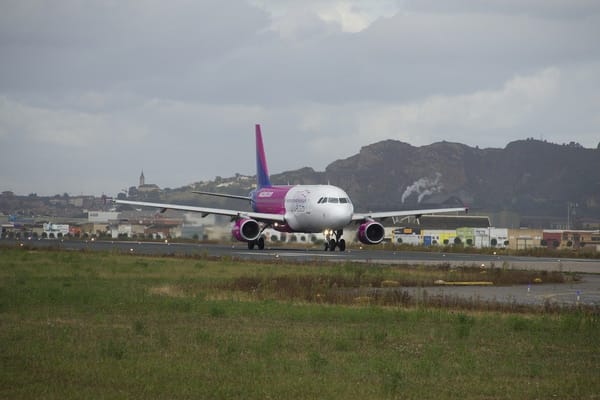
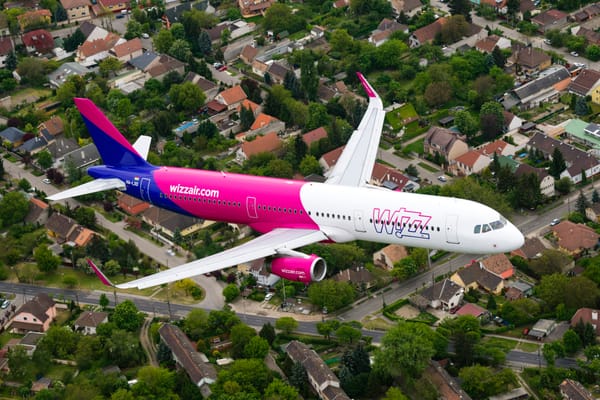
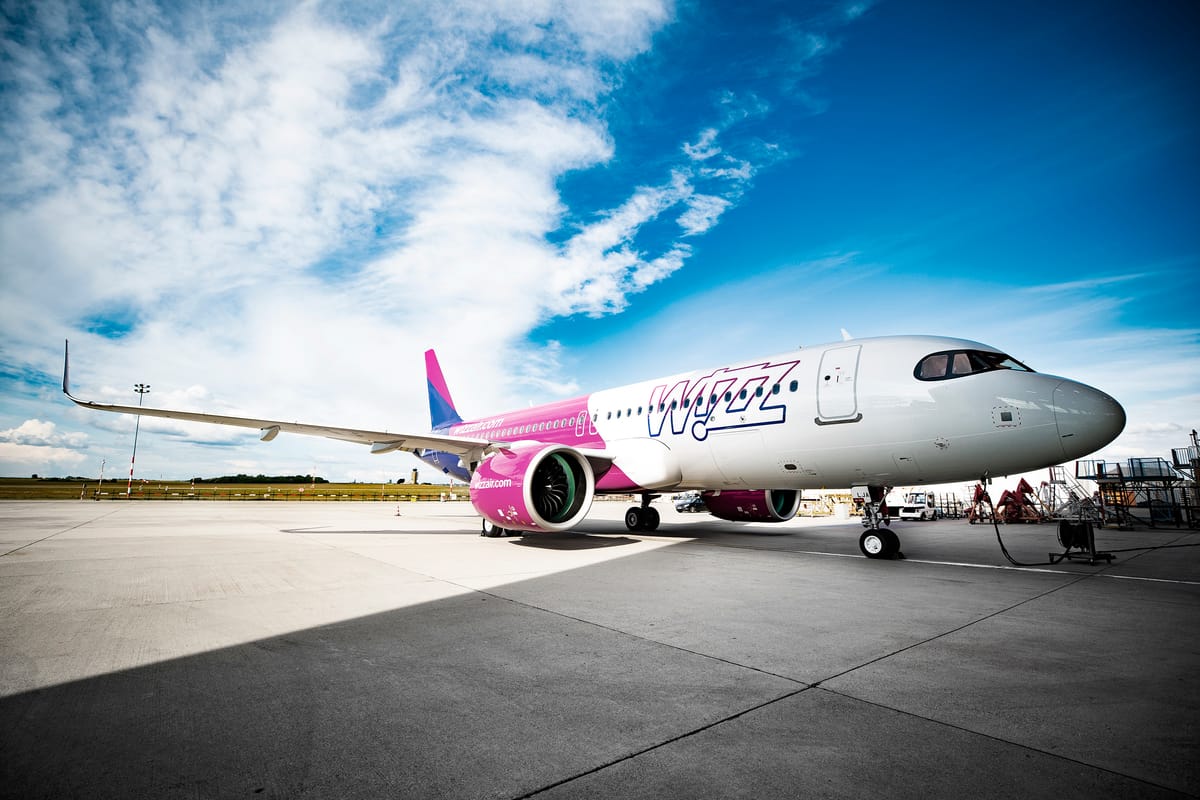
Wizz Air strategically focused on underserved hubs across Central and Eastern Europe (CEE), targeting cities like Warsaw Modlin, Budapest, and expanding its reach to emerging markets such as Bratislava, Tuzla, Podgorica, and Yerevan. These regions, which were previously underserved by low-cost carriers, provided significant growth opportunities. By building a dense network of routes, Wizz Air was able to offer increased flight frequencies, creating more options for travelers and effectively connecting secondary markets with major European cities. Their decision to operate a single-fleet model with Airbus A320 and A321 aircraft allowed the airline to scale rapidly, increasing capacity by more than 20% annually in established markets. This strategy facilitated the shift of travelers from slower and less convenient bus and train travel to more efficient and affordable air travel. The airline's success was instrumental in integrating the post-communist economies of the region into Europe's broader travel ecosystem, improving mobility within the European Union, and contributing to the modernization of transportation across Eastern Europe.
Driving affordability and accessibility
Wizz Air revolutionized air travel by offering ultra-low base fares combined with unbundled ancillary services, making travel more affordable for budget-conscious leisure, visiting friends and relatives (VFR), and short-haul travelers. The airline's unbundling model allowed customers to pay only for the services they needed, keeping base ticket prices low while still providing the flexibility to tailor their flight experience. This pricing structure pressured traditional carriers to reduce their fares and expand their route networks, leveling the playing field in the competitive airline industry. Wizz Air also capitalized on operating from cost-effective secondary airports, where landing and operational fees were significantly lower compared to major hubs. By reducing these overhead costs, Wizz Air was able to pass the savings directly to customers, making air travel more accessible to a wider population. This approach transformed air travel from being a luxury or business-only mode of transportation into a mainstream option for millions of travelers, particularly those flying between smaller cities in CEE and Western Europe. The democratization of air travel has led to a surge in demand, creating new opportunities for regional connectivity and travel.
Economic and network impacts
Wizz Air’s rapid expansion had far-reaching economic effects on the regions it served. By opening new bases and increasing flight frequencies, the airline generated thousands of jobs in the aviation sector, from ground handling to in-flight staff, and provided employment in local communities around its hubs. The increased accessibility of air travel also boosted tourism, both inbound and outbound, as passengers were able to travel more easily and affordably to new destinations. Moreover, the airline’s direct flights helped strengthen economic ties between CEE countries and the rest of Europe by significantly reducing travel times. In recent years, Wizz Air has focused on refocusing its network strategy to prioritize CEE markets, ensuring that costs remain low while expanding its operations in this region. This shift is poised to sustain the airline’s competitive edge, with further densification of its network planned through 2026. Ultimately, Wizz Air’s disruptive model has played a central role in transforming CEE aviation from a peripheral, underdeveloped sector into a dynamic and competitive force, positioning it as a key player in European aviation.