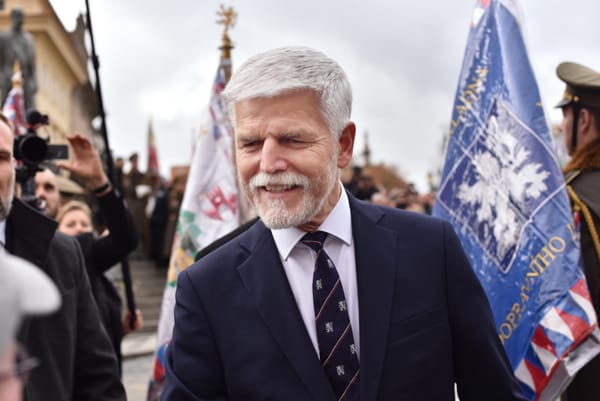
The Czech Chamber is due to vote on overriding the President's veto of a fiscal-rules bill on 25 August. Not just defence spending is at stake, but the next presidential election, where the President is increasingly viewed by the Czech public as the head of the opposition.
The domestic political paralysis could have serious economic consequences: the caretaker government is running out of time ahead of the August 31 deadline set by Brussels.
It puts the former Polish ruling party in an uncomfortable position that its former deputy justice minister is hiding from the justice system in territories outside the reach of the law.
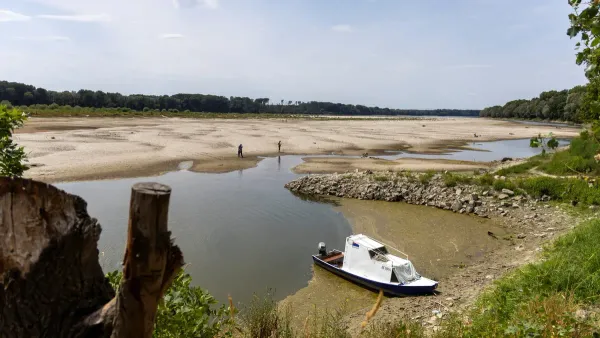
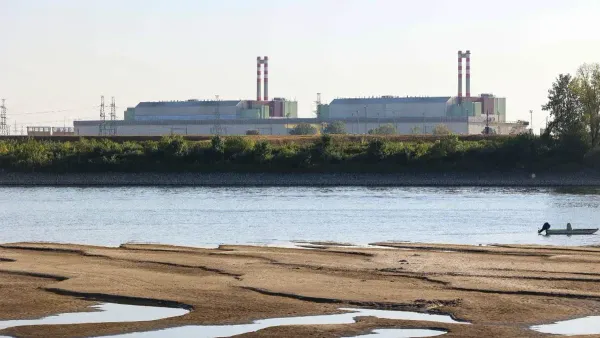
Hungary and Romania are living through their most serious energy crisis in decades, as record-low Danube levels have all but shut down two of the region's nuclear plants.
In Hungary, low Danube water levels and a prolonged heatwave have created an acute energy crisis, while other countries in the region appear to have weathered the situation more easily. Part of the explanation lies in the differences between the cooling systems used by their nuclear power plants.
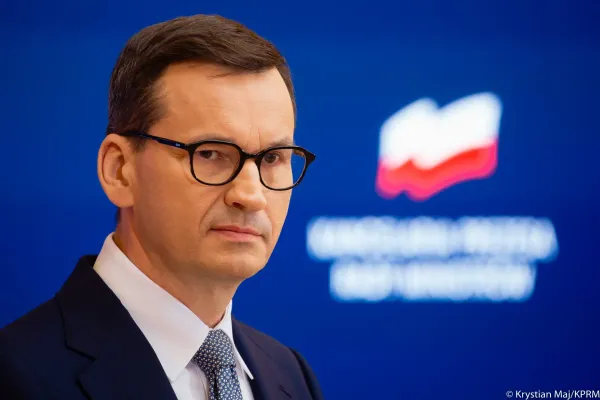
For a long time, it seemed that the return to power of Poland’s illiberal right – allied with Orbán and highly effective at blocking Donald Tusk’s government – was merely a matter of time. But those plans could now be derailed by an emerging split within the party.
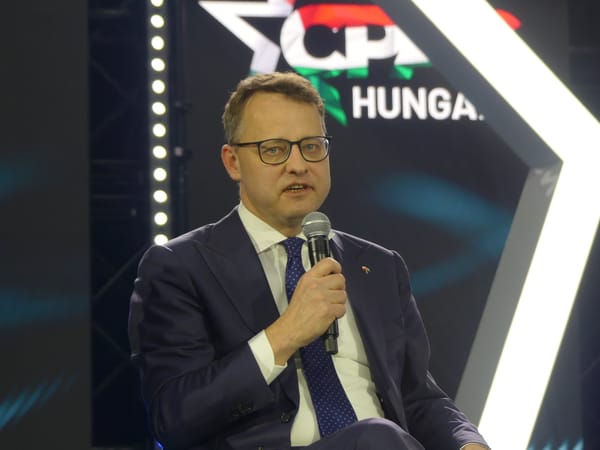
Hungary is joining the Poland-led AI Gigafactory consortium that already includes Czechia and Lithuania, marking a significant upgrade from the country's previous position as one of the EU's lighter-touch "AI Factory Antenna" participants.
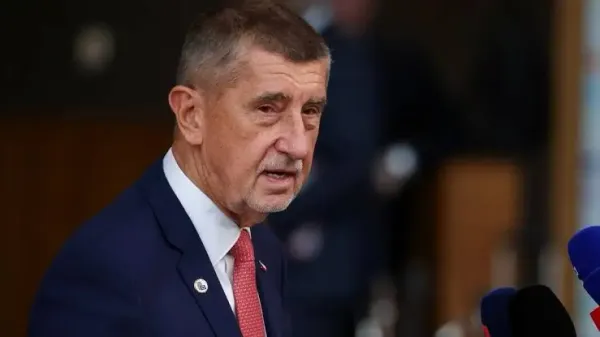
Czechia's 2026 deficit is running nearly a full percentage point above what the outgoing Fiala government projected and the single largest reason is a defence-spending trajectory that Prime Minister Babiš campaigned against but has since chosen to continue.
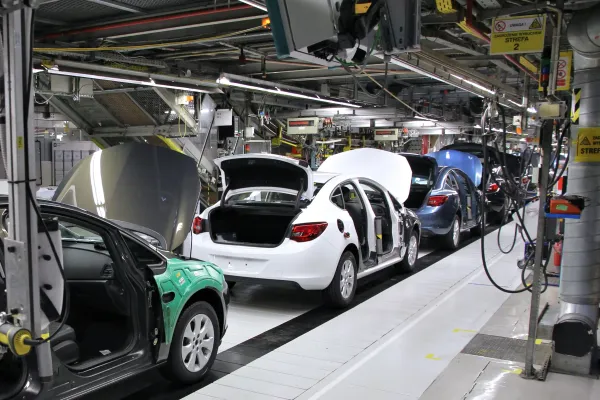
Poland, often described as the “success story” of the European economy, is sending mixed signals. There is no immediate crisis, but the country’s industrial sector is showing weaker figures than before, raising the possibility of stagnation or even a decline.
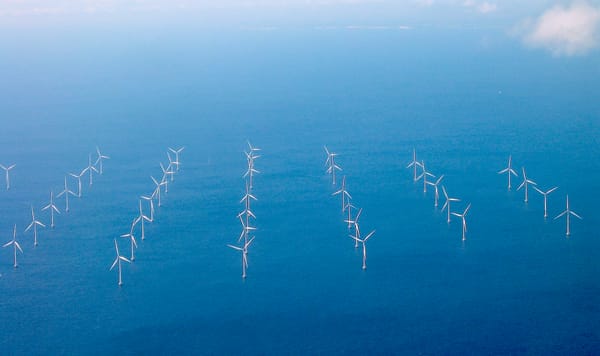
Last week, what may have appeared at first glance to be a purely technical milestone marked the beginning of a new chapter in Poland's energy transition.
Czech President Petr Pavel was nearly excluded from the NATO summit in Ankara. His government tried to keep him off the official delegation list, a sign of an unabated tension between castle and government.
The next big debate on the future of the European Union has already begun—not over enlargement, migration or defence, but over the EU's next long-term budget.
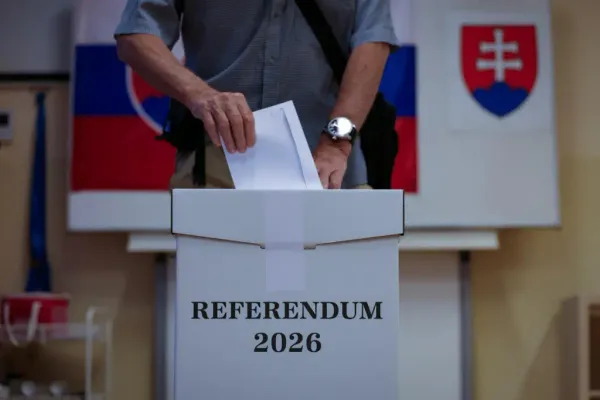
A failed Slovak referendum on Prime Minister Robert Fico's lifetime pension has exposed a pattern playing out well beyond Slovakia: across Europe, benefits for former heads of state are becoming political ammunition precisely where societies and elites are most deeply divided.