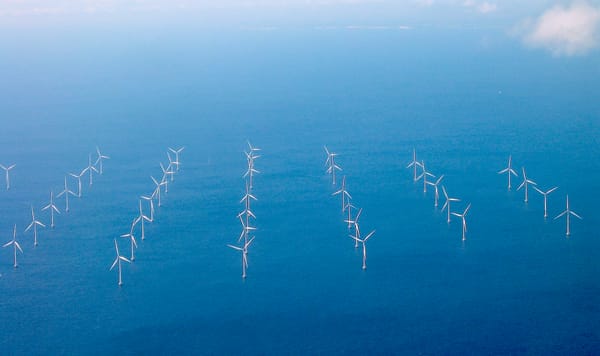
Poland Enters the Offshore Wind Era - diversification or a Paradigm Shift?
Last week, what may have appeared at first glance to be a purely technical milestone marked the beginning of a new chapter in Poland's energy transition.

A collection of 63 posts
Last week, what may have appeared at first glance to be a purely technical milestone marked the beginning of a new chapter in Poland's energy transition.
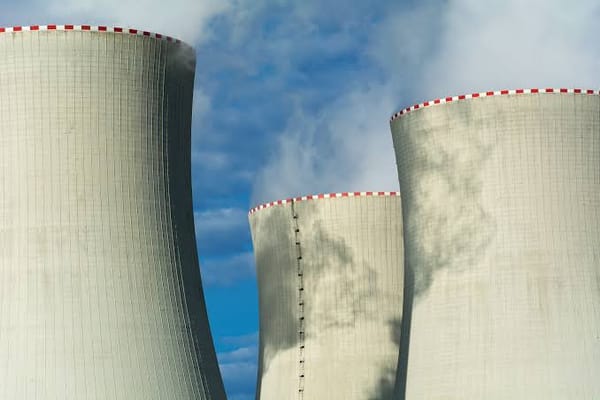
Czechia's economy grew 2.6% in 2025, unemployment sits near record lows, and the current account is in surplus. It is not an economy in difficulty.
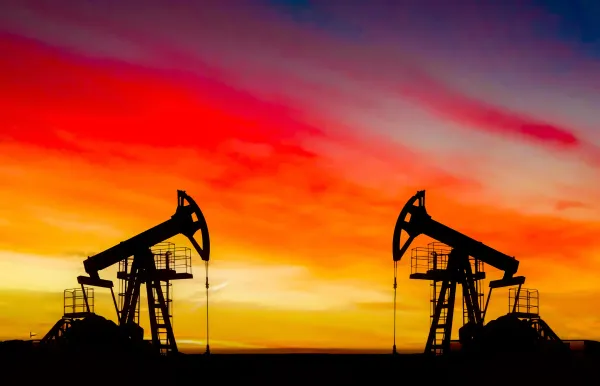
Recent developments around the Druzhba (Friendship) oil pipeline have highlighted just how vulnerable and politically entangled Central Europe’s energy supply remains.
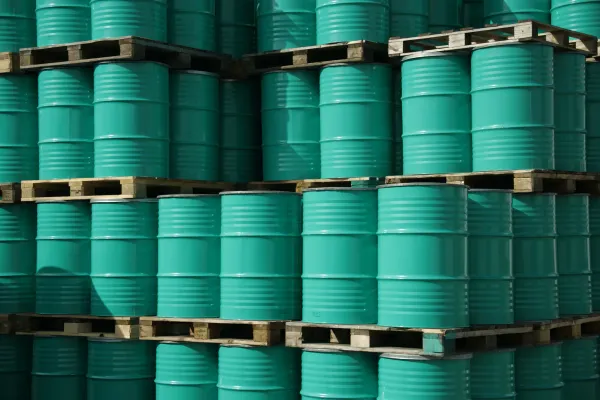
As Hormuz closes and Druzhba stays shut, the four Visegrád countries face the same vulnerability from opposite directions.
The Czech Republic and Slovakia have agreed to invest approximately €40 million to reverse the flow of the Czech section of the Druzhba pipeline, creating an alternative crude oil supply route for Slovakia amid an ongoing energy crisis triggered by damage to the pipeline's Ukrainian stretch.
A Russian drone strike on Ukraine's Druzhba pipeline in January 2026 has triggered a diplomatic crisis between Kyiv, Budapest and Bratislava - but the real damage runs deeper. The dispute has forced into the open a question: whether the EU can remain industrially competitive while paying two to three
In Poland there are no signs of fuel panic or dramatic price hikes. The key to this apparent mystery lies in successful diversification.
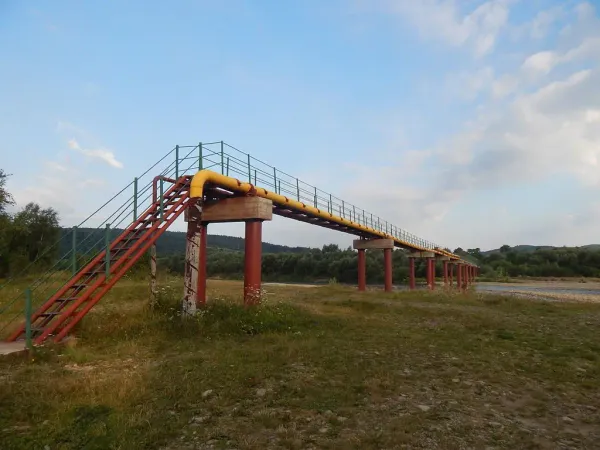
Oil still halted a month after a Druzhba pipeline strike, with Hungary and Slovakia blaming Ukraine for stalling repairs in a deepening row.
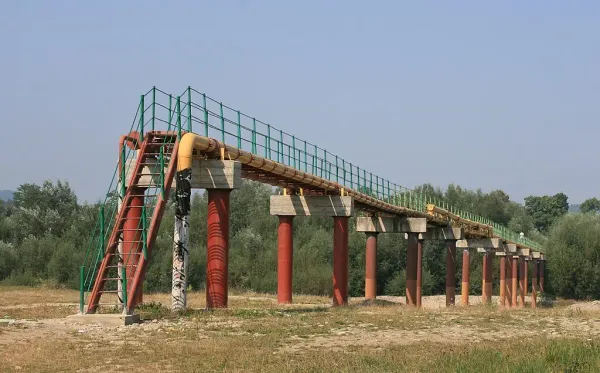
A closer look at the economic realities behind a potential switch from Druzhba to Adria — and whether it truly makes financial sense.
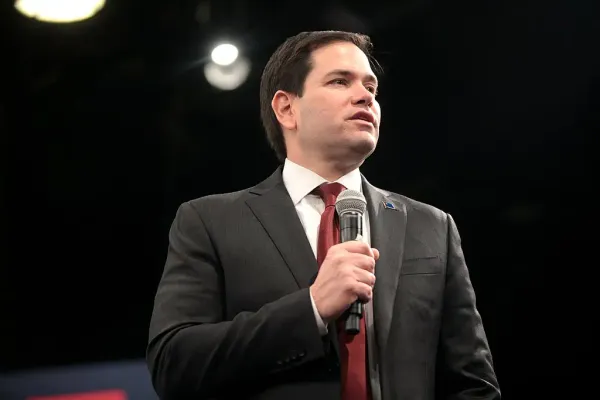
Following the U.S. Secretary of State’s partial regional tour, at least as many questions remain as the trip itself answered

In the second part of our energy overview, we present the Slovak energy system and its challenges

Hungary has chosen a unique path in designing its energy system, both in European and regional comparisons.
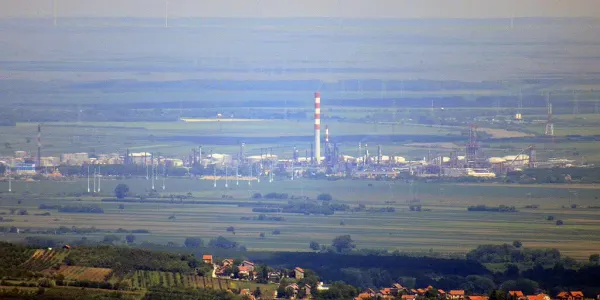
Hungary’s MOL nears a majority stake in Serbia’s NIS, bringing the Pančevo refinery and NIS assets under its control once U.S. sanctions lift.

The aftermath of Trump’s Venezuela move remains unclear, but CEE states are likely to be impacted indirectly by oil prices and EU sanctions.
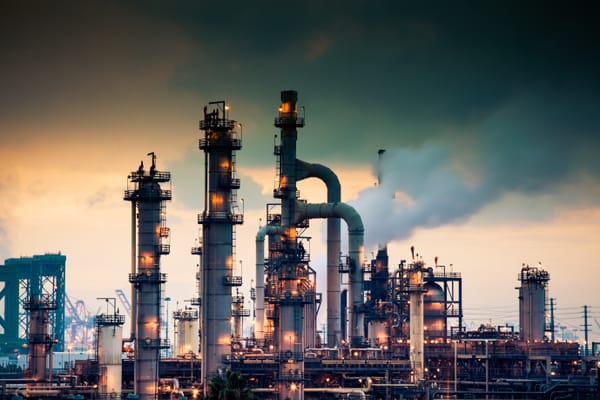
Serbia failed to remove Russian capital from NIS despite extensions; leaving its refinery unlicensed and oil reserves secure only until year-end.