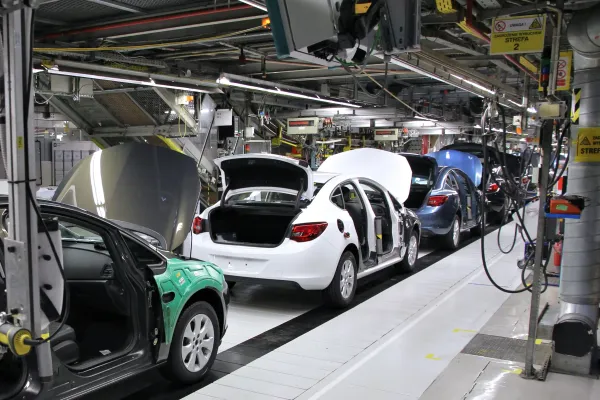
The price of an industrial economy
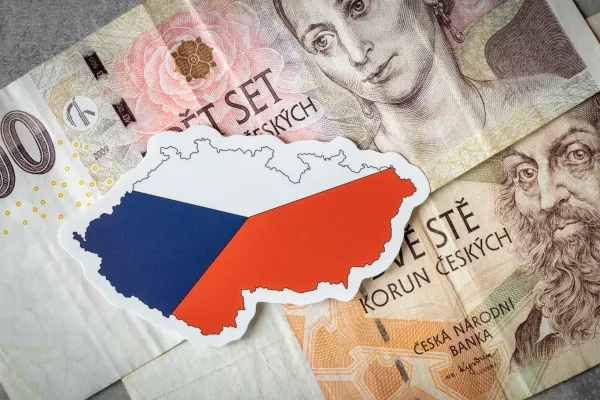
Czechia's economy grew 2.6% in 2025, unemployment sits near record lows, and the current account is in surplus. It is not an economy in difficulty.
This tag highlights content related to economic systems, trends, and impacts — including topics such as macroeconomic analysis, financial markets, economic policy, and sustainable growth.
Czechia's economy grew 2.6% in 2025, unemployment sits near record lows, and the current account is in surplus. It is not an economy in difficulty.
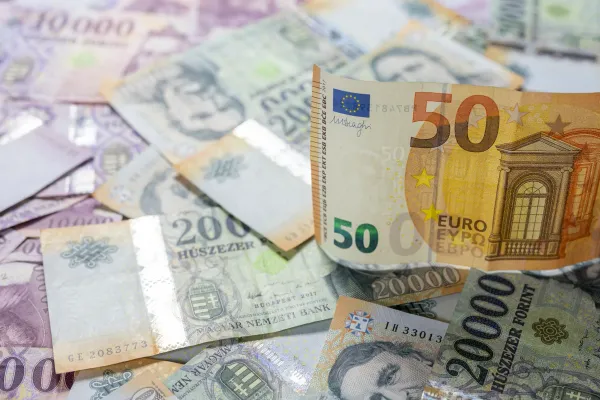
Tisza’s landslide victory on April 12 sent the forint to a four-year high and Budapest stocks to a record, as investors priced in the end of the Orbán-era risk premium and the prospect of unlocking frozen EU funds.
Poland has overtaken Spain in average income despite significantly longer EU membership.
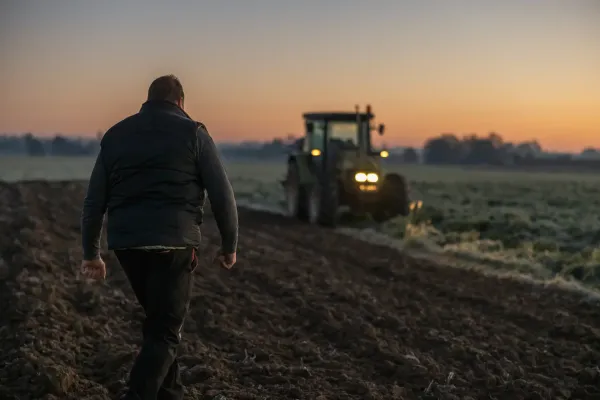
Poland’s rapidly developing agricultural sector is now competing in volume with the European Union’s largest agricultural producers.
Poland delivered one of the strongest growth performances in the entire EU, while Hungary effectively stagnated for a third consecutive year.
As Hungary and Romania face higher interest burdens, Czechia, Slovakia and Poland benefit from stronger institutional and financing frameworks.
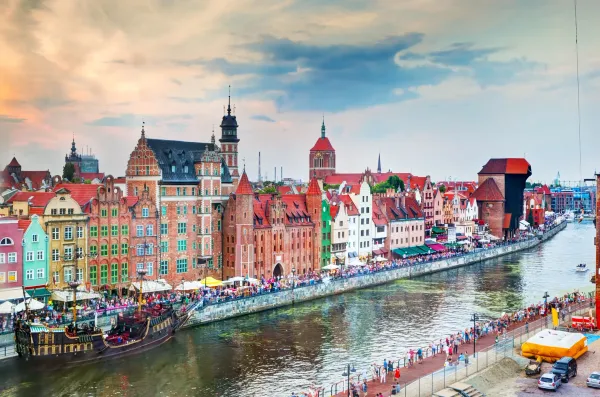
Fiscal autonomy and access to EU funds allow Polish cities to develop dynamically, while Budapest and other Hungarian cities are constrained by the solidarity contribution.
The aftermath of Trump’s Venezuela move remains unclear, but CEE states are likely to be impacted indirectly by oil prices and EU sanctions.
Can CEE develop a realistic policy response that shields the region from Europe’s structural decline?
Poland’s economic success lies in consistent reforms and smart EU fund use, while Hungary and Romania followed more volatile development paths.
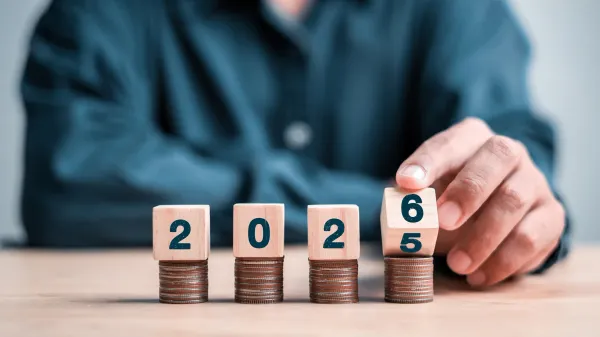
New year, new fiscal rules: The Czech Republic has entered a period of provisional budgeting after the new coalition rejected its predecessor's draft.
Administrative interventions are used to curb inflation in numerous CEE countries, with Hungary adopting the most market‑interfering measures.
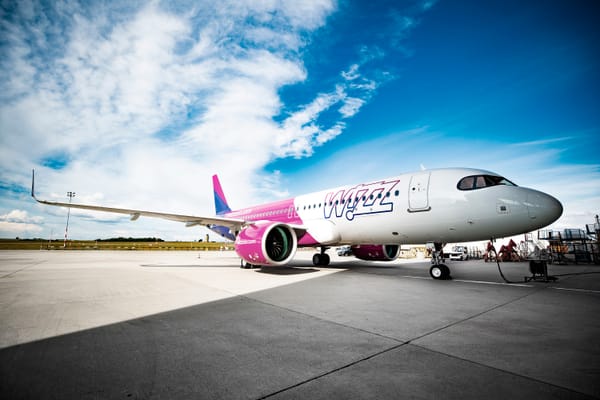
Wizz Air transformed CEE aviation since its 2003 founding by delivering ultra-low-cost, point-to-point flights from secondary airports, slashing fares and expanding connectivity.

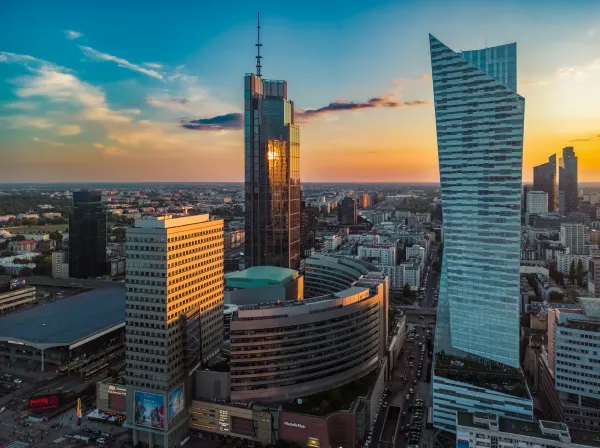
From a post-communist economy to a European powerhouse, Poland is now seeking a role in global politics.
Poland’s economic weight is undoubtedly increasing in the region, with Polish-German economic relations and political tensions deepening.