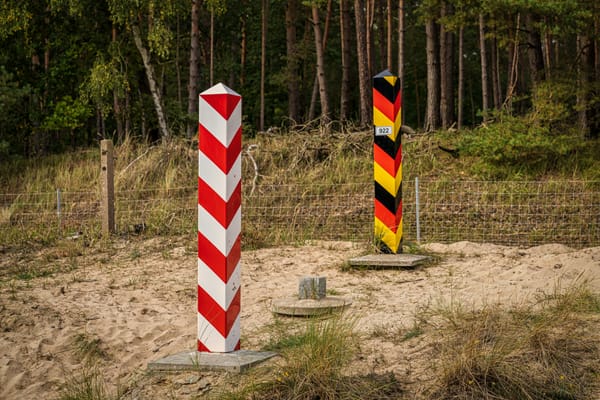
While Central Europe’s security environment has been fundamentally transformed by the Russia – Ukraine war, relations between Poland and Germany remain both a strategic necessity and a political challenge. This is clearly demonstrated by the fact that the two countries are set to sign a new defence cooperation agreement in
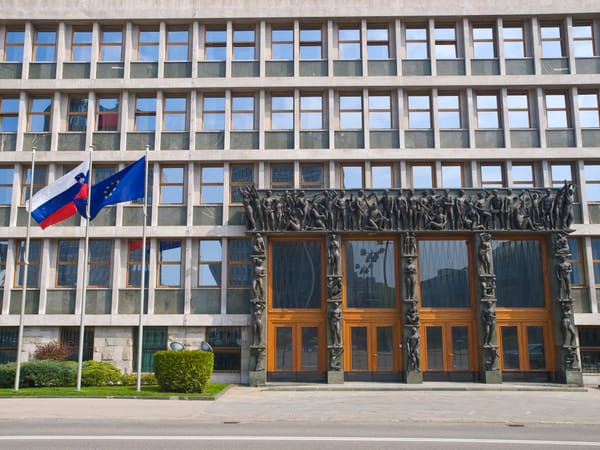
Slovenia’s domestic political uncertainty could even culminate in a new election: following the late-March vote, no political force appears to have secured a governing majority.
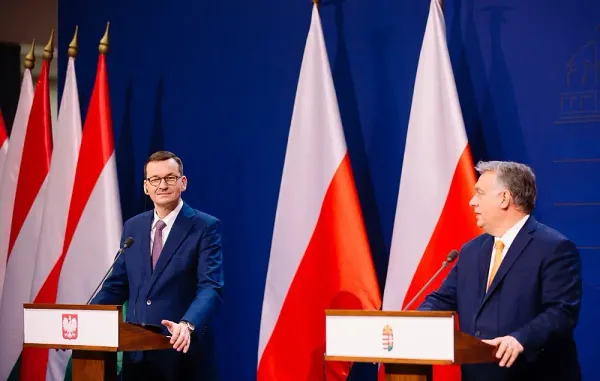
In recent weeks, significant domestic political debate has emerged in Poland over efforts by politicians from the Law and Justice party (PiS) – including Mateusz Morawiecki and Karol Nawrocki – to strengthen ties with Hungarian Prime Minister Viktor Orbán.
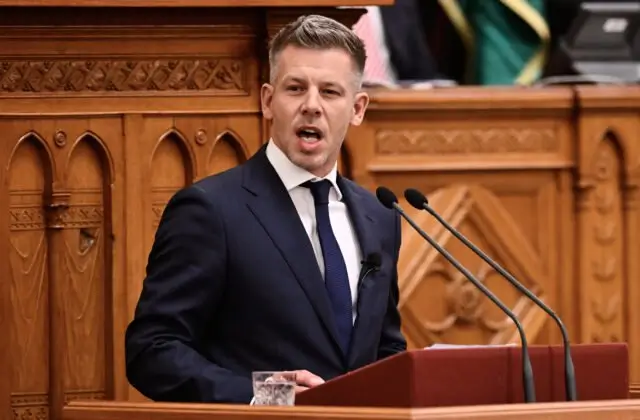
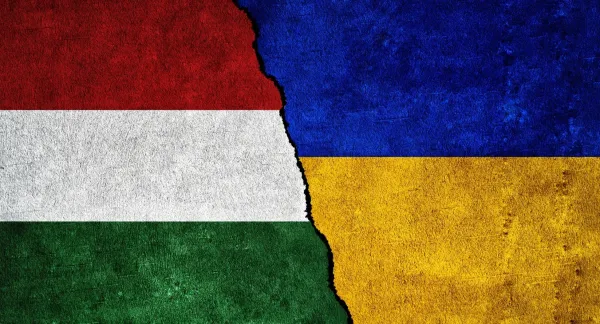
With Hungary's parliamentary elections set for 12 April 2026, the relationship between Budapest and Kyiv has deteriorated into one of the most explosive bilateral disputes in Europe.
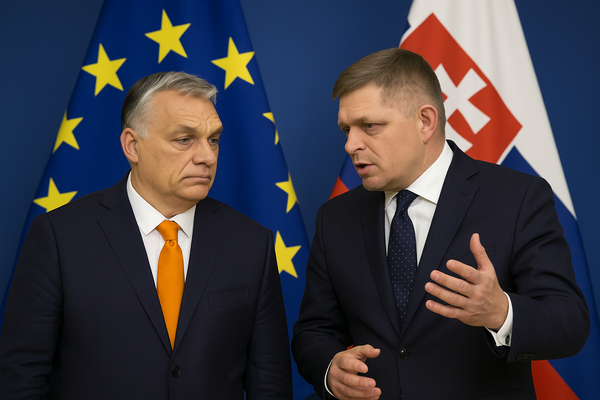
Hungary and Slovakia have emerged as the most vocal opponents of two of the EU’s most consequential reform proposals: plans to phase out Russian energy imports and to overhaul the bloc’s long-term budget to prioritise defence, climate and digital transition.
EU mulls ban of new Russian energy