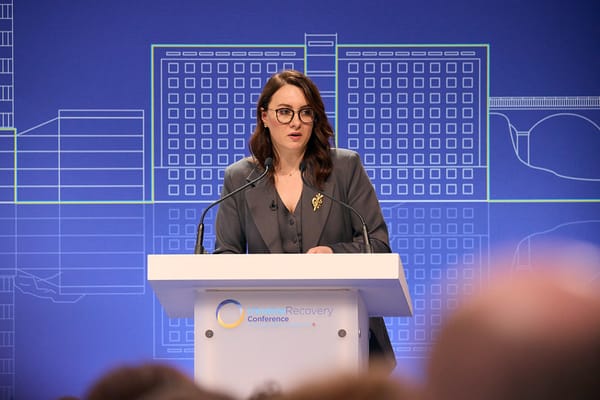
Gdańsk's Message: Ukraine's Reconstruction Is Also About Central Europe's Future
The central theme of the Ukraine Recovery Conference 2026 (URC 2026) in Gdańsk was financing Ukraine's post-war reconstruction.

A collection of 84 posts
The central theme of the Ukraine Recovery Conference 2026 (URC 2026) in Gdańsk was financing Ukraine's post-war reconstruction.
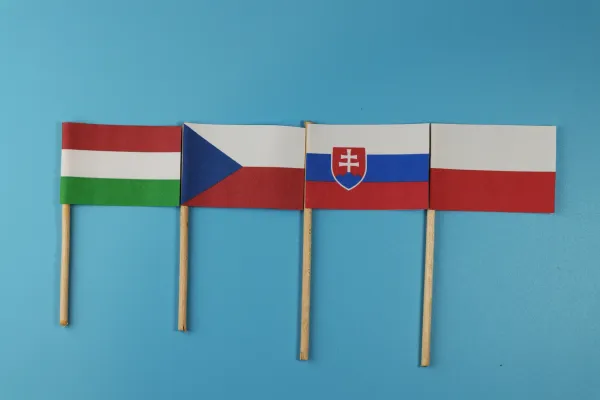
Hungarian Prime Minister Péter Magyar aims to breathe new life into the Visegrád Four format. To achieve this, the countries will have to overcome political differences – particularly regarding their approach toward Russia.

The two recent drone incidents in Romania have once again highlighted a growing reality: while the Russia – Ukraine war continues to be fought primarily on Ukrainian territory, its security implications are increasingly spilling over into neighboring NATO and EU member states.

Recent developments around the Druzhba (Friendship) oil pipeline have highlighted just how vulnerable and politically entangled Central Europe’s energy supply remains.
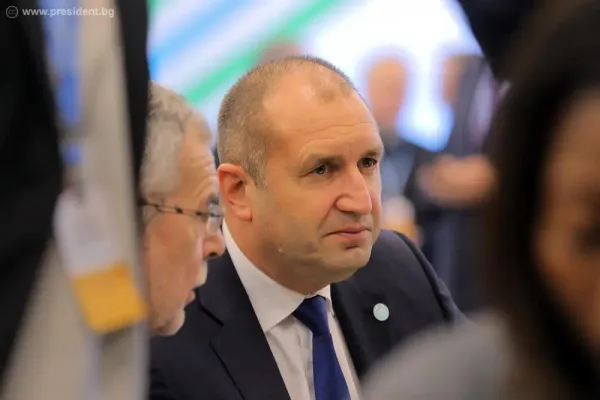
The April 2026 Bulgarian election is not just another domestic political episode, but a turning point whose significance goes beyond the country’s borders.
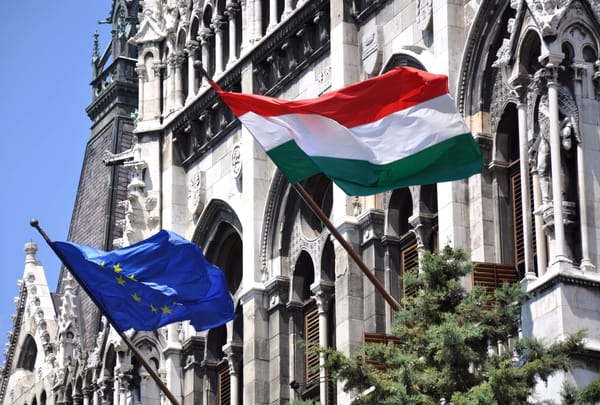
The Hungarian election results generated significant reverberations across the region. The reactions simultaneously reflected a sense of geopolitical realignment and each country's own domestic political considerations.
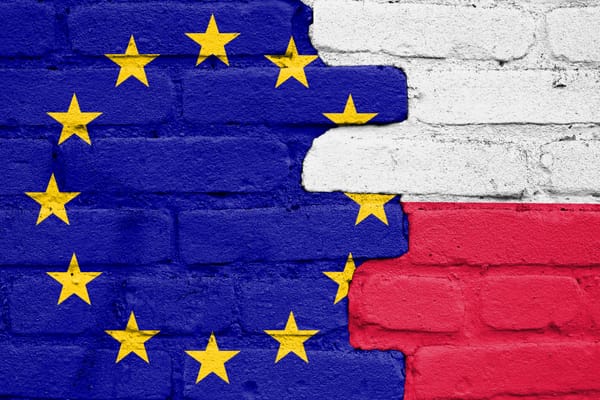
The question of leaving the European Union regularly resurfaces in Polish public life whenever political or rule-of-law disputes between Warsaw and Brussels intensify.
The European Union summit of March 19, 2026, clearly highlighted that the Visegrád cooperation can no longer be seen as a unified political bloc when it comes to the war in Ukraine.
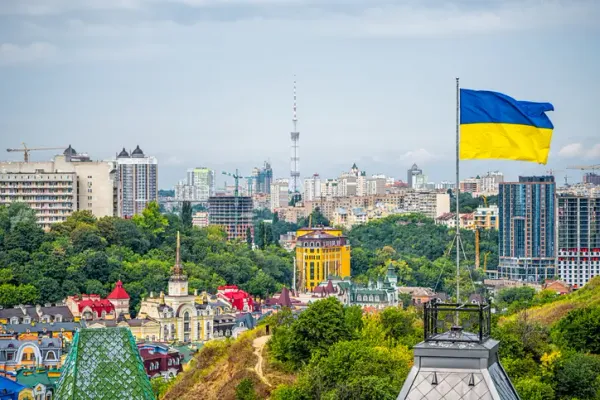
A Russian drone strike on Ukraine's Druzhba pipeline in January 2026 has triggered a diplomatic crisis between Kyiv, Budapest and Bratislava - but the real damage runs deeper. The dispute has forced into the open a question: whether the EU can remain industrially competitive while paying two to three
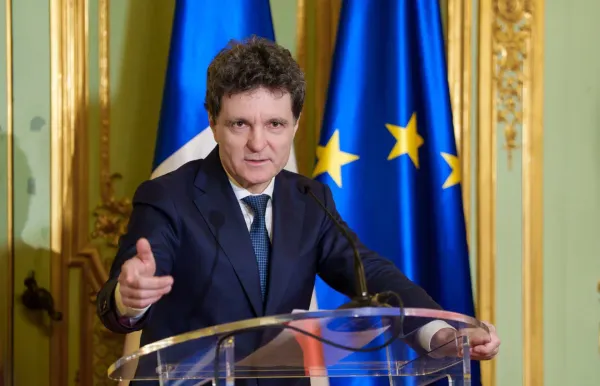
Nicușor Dan said the United States remained a vital strategic partner for Romania’s security.
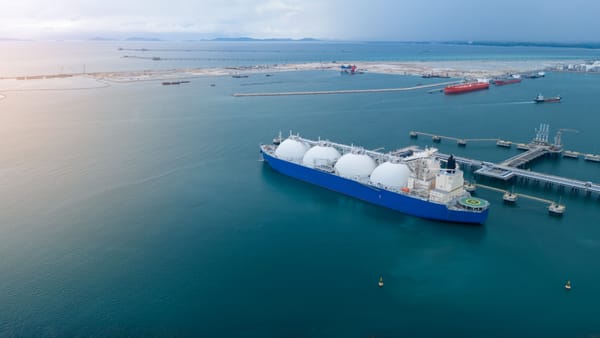
The Neptun Deep project is viewed as a pivotal opportunity for Romania's economy and energy independence.
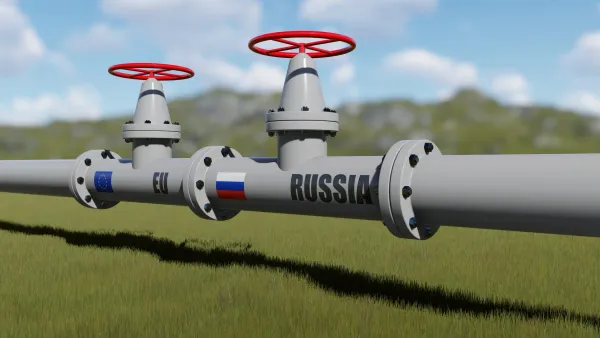
The Central and Eastern European oil market is entering a new era as a result of the US measures aimed at restricting Russian crude exports.
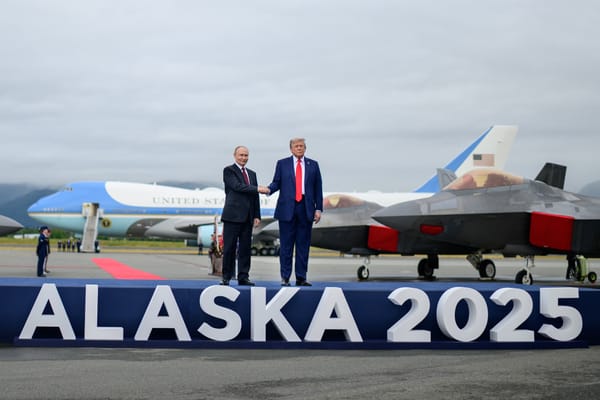
While Hungary and Slovakia welcomed the diplomatic efforts, fellow Visegrad Four members Poland and Czechia joined the Baltic states in rejecting any settlement that bypasses Ukrainian sovereignty.

Romania’s 2024 presidential elections marked the first instance of a national vote annulled due to foreign interference within the EU, the European Commission noted. The episode has triggered renewed calls in the EU and NATO for enhanced cybersecurity capacity and democratic resilience across CEE.

The signatories, including Poland, Romania, Hungary, Bulgaria, Slovakia, Estonia, Latvia and Lithuania, said the policy’s “visibility and predictability” would be compromised if merged into a broader single investment fund.