
Europe’s air traffic rebalance: Central and Eastern markets take the lead
Central and Eastern Europe emerge as the engine of the European aviation traffic.

A collection of 350 posts
Central and Eastern Europe emerge as the engine of the European aviation traffic.

The media worldwide has picked up on the sharp exchange between Elon Musk and the Polish Foreign Minister regarding the war in Ukraine.
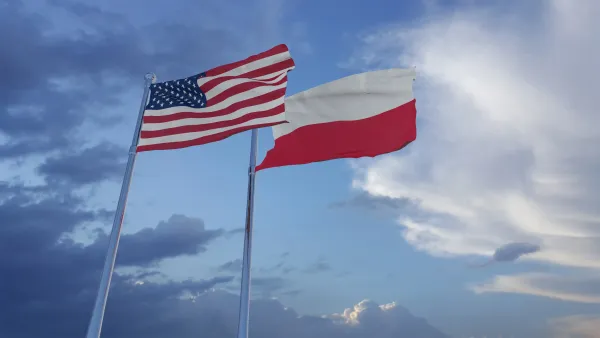
In Poland, many fear the country could be caught between two fires if the United States were to take concrete steps toward acquiring Greenland.
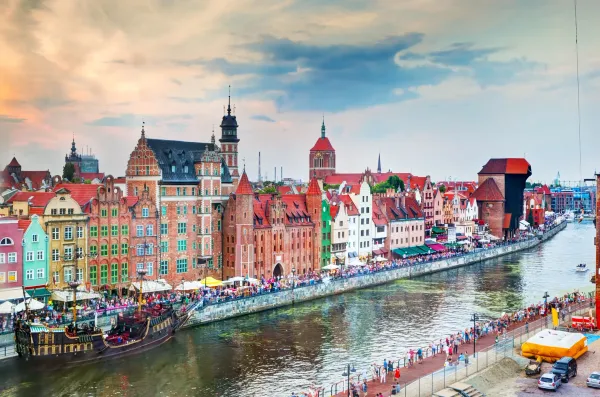
Fiscal autonomy and access to EU funds allow Polish cities to develop dynamically, while Budapest and other Hungarian cities are constrained by the solidarity contribution.
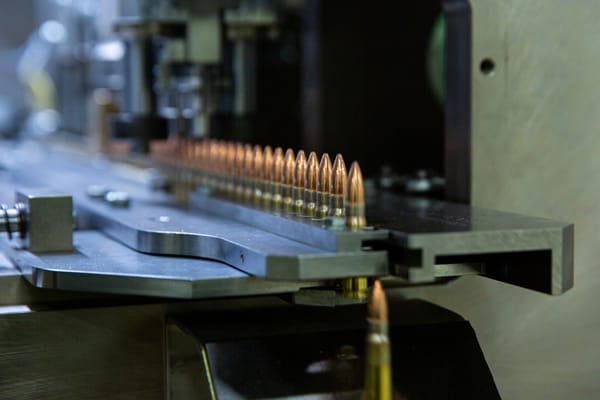
Contrary to initial interpretations, Czech ammunition deliveries to Ukraine have not been suspended and are continuing.

Using fake advertisements featuring real public figures, they defrauded hundreds of people, in some cases of sums running into several million.
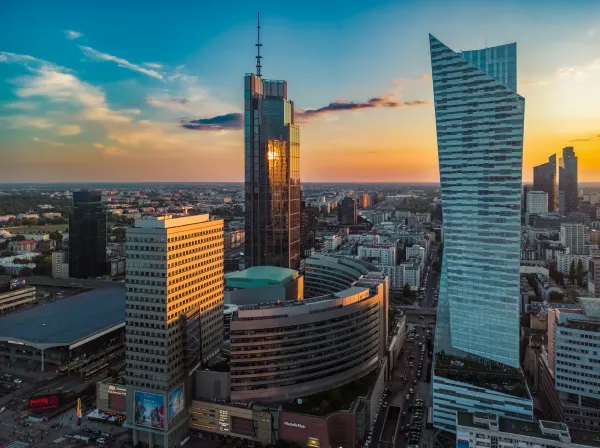
Poland’s economic success lies in consistent reforms and smart EU fund use, while Hungary and Romania followed more volatile development paths.
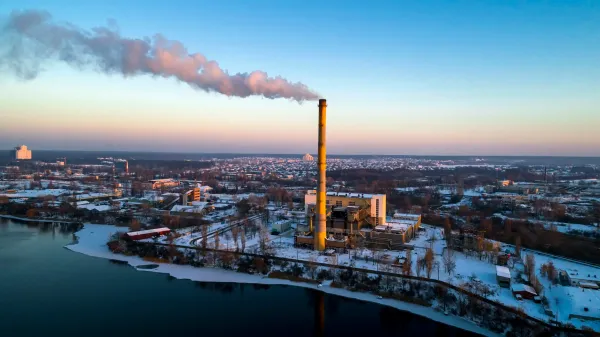
Warsaw has opened the city’s new waste-to-energy plant, which can incinerate over 300,000 tons of solid waste annually, nearly one-third of the city’s total waste production.

Poland’s education system, reformed in the 2000s, faces a new overhaul, fueling tensions between the government and the right-leaning president.

Despite expectations, the EU–Mercosur deal was not signed and stances of CEE countries remain divided.
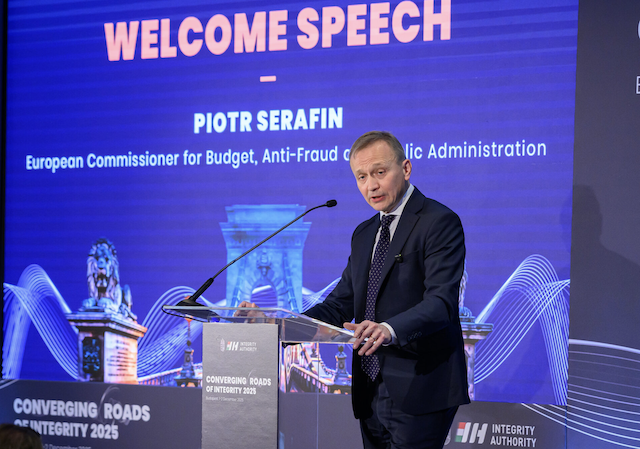
Recent corruption revelations in Ukraine and institution restructuring in Slovakia brings renewed attention to anti-corruption bodies in CEE.
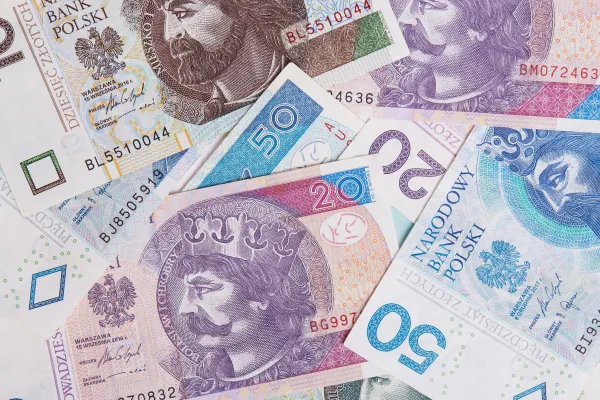
Policy reforms now allow the pension authority to retroactively review contributions and question their legality.
From a post-communist economy to a European powerhouse, Poland is now seeking a role in global politics.
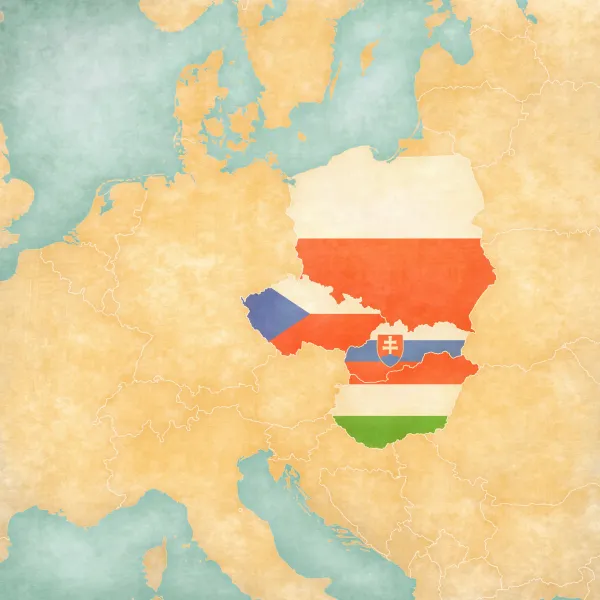
The presidents of the V4 countries gathered in Esztergom —but the differing views on Russian aggression undermines regional unity.
Support for EU membership in Poland remains high, but the share of those who would favour leaving the Union now exceeds 10 percent.