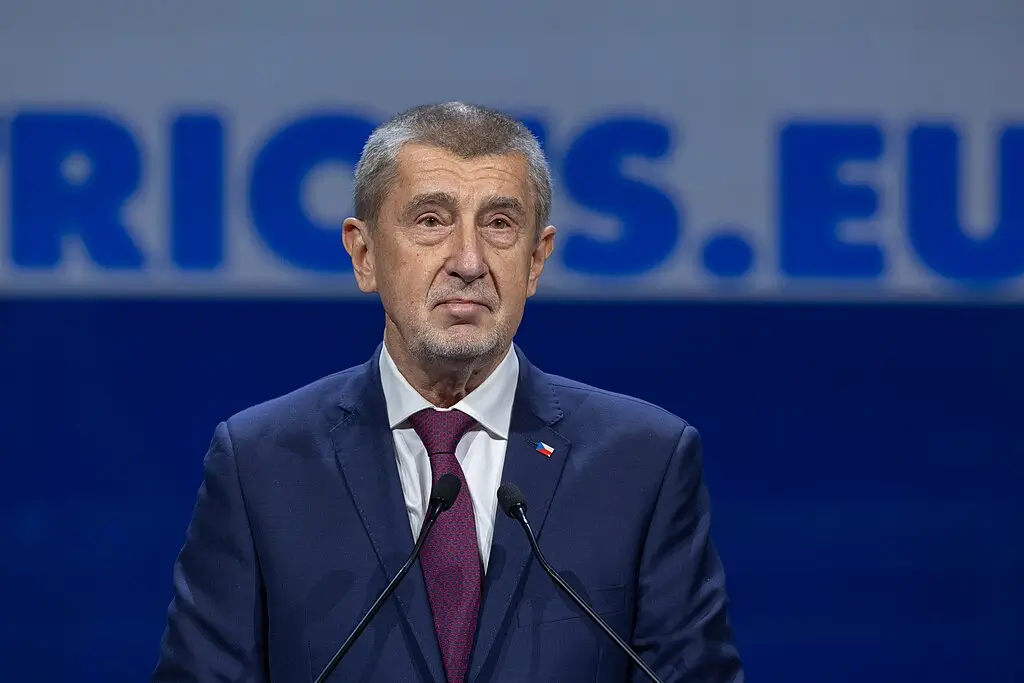
Babiš secures third term and steers Czechia toward Central Europe
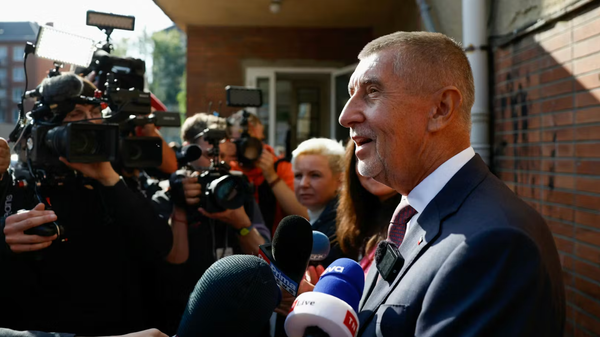
Andrej Babiš has been officially appointed Prime Minister of the Czech Republic for the third time, following his ANO party’s success in the October 2025 parliamentary elections. The ceremony took place on December 9, 2025, after weeks of negotiation and preparation.
A centre-right government to be replaced by a right-populist government
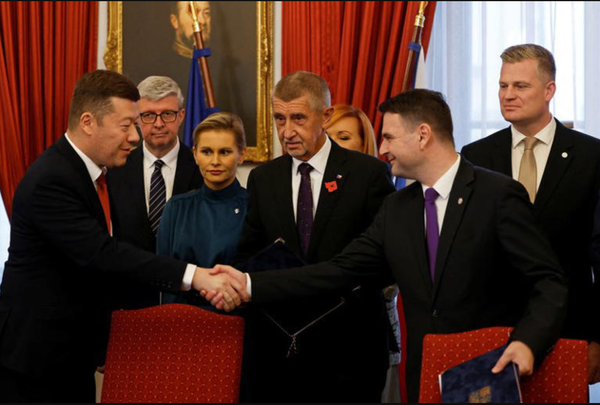
Babiš’s ANO movement emerged as the largest party with roughly 34.5 % of the vote, outperforming the outgoing centre-right government. However, without an outright majority, ANO entered talks with two smaller right-wing and populist parties: Freedom and Direct Democracy (SPD) and Motorists for Themselves.
The three partners signed a coalition agreement in early November, agreeing on a 16-member cabinet in which ANO controls the largest share of ministries. This alliance holds a parliamentary majority, allowing Babiš to take power.
A strong promise: “the best place for life on earth”
In his first statements as prime minister, Babiš emphasized his commitment to defending Czech interests, enhancing social benefits, and steering government policy toward making Czechia what he calls ‘the best place for life on earth‘. However, his platform signals a shift from the previous government’s pro-EU and pro-Ukraine stance to a more critical approach to EU policies, especially on migration, climate change and defence.
Conflict-of-interest issue
A major stumbling block before his appointment was how Babiš would deal with conflicts of interest arising from his business empire, particularly his Agrofert conglomerate. To satisfy constitutional and ethical concerns raised by President Petr Pavel, Babiš agreed to place Agrofert into an independent trust. He stated this meant he would relinquish ownership and economic ties, aiming to adhere to transparency expectations.
A turn toward Central Europe
European leaders, including European Council President António Costa, congratulated Babiš while also stressing the importance of continued cooperation within the EU framework. Observers note that this government’s stance may realign Czech policy toward its Central European neighbours and could influence its approach at upcoming EU meetings.
At 71, Babiš also becomes one of the oldest leaders in Czech history to assume the premiership. His comeback underscores a broader populist trend in regional politics, resonating with partners such as Hungary’s Viktor Orbán and Slovakia’s Robert Fico.
The full cabinet is expected to be sworn in shortly, and Babiš has indicated plans to present his government’s programme to parliament and seek a confidence vote early in the new year.