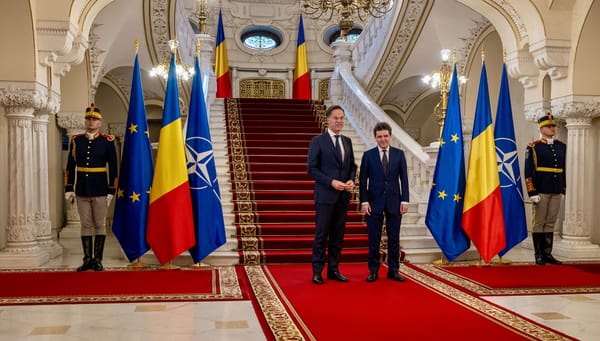
Romania bolsters NATO security role amid Black Sea tensions
Romanian and NATO leaders held talks focusing on strengthening Romania’s security amid ongoing regional tensions.
Romanian and NATO leaders held talks focusing on strengthening Romania’s security amid ongoing regional tensions.
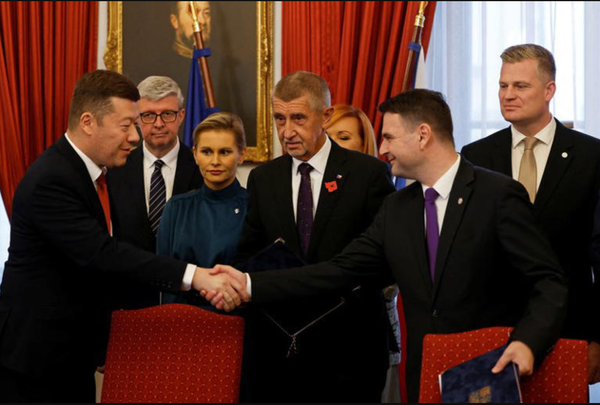
Andrej Babiš’s ANO movement returns to power in coalition with nationalist allies, promising social protection, lower energy prices, and a tougher stance toward Brussels.
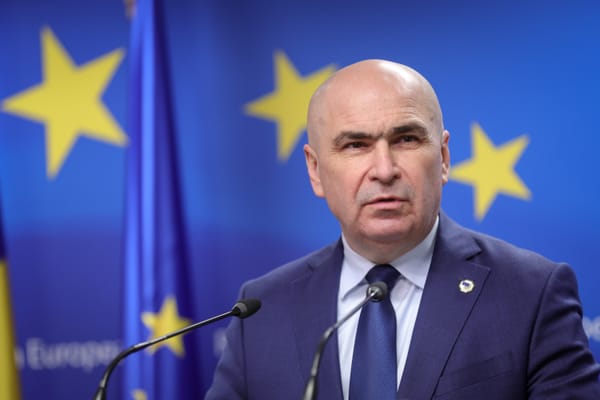
Romanian PM Ilie Bolojan warned that peace is no longer guaranteed, stressing that ensuring security is a shared responsibility of society.
As the EU tightens sanctions on Russia, Central European states display contrasting political stances rooted in their priorities and capacities.
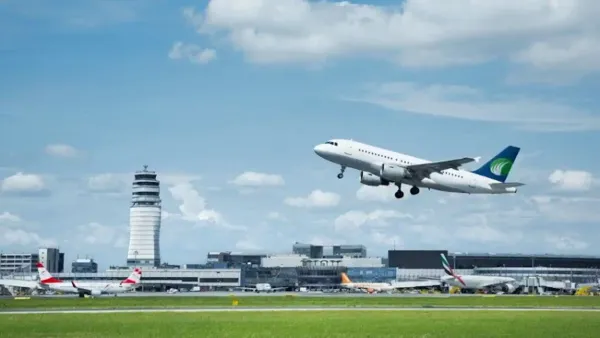
The competitiveness of Austria’s aviation market is under increasing pressure, with industry leaders warning that the country risks falling behind its European peers due to mounting costs and taxes.
The Central and Eastern European oil market is entering a new era as a result of the US measures aimed at restricting Russian crude exports.
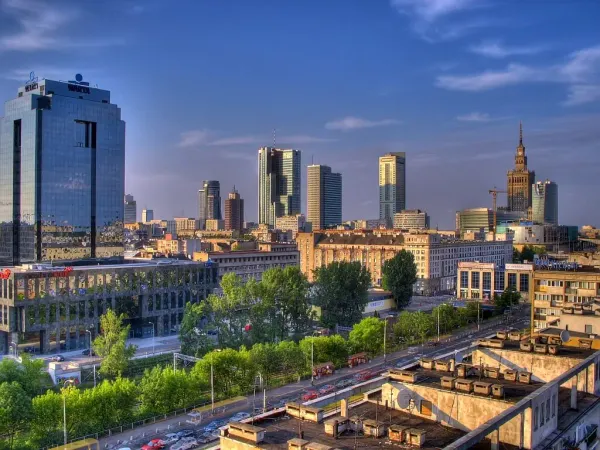
Over the past decade and a half, Poland has undergone a remarkable economic transformation, and in several key indicators it is now comparable with Japan. The question many economists are asking is: what is Poland’s secret, and how has it managed to outpace its Central European peers?
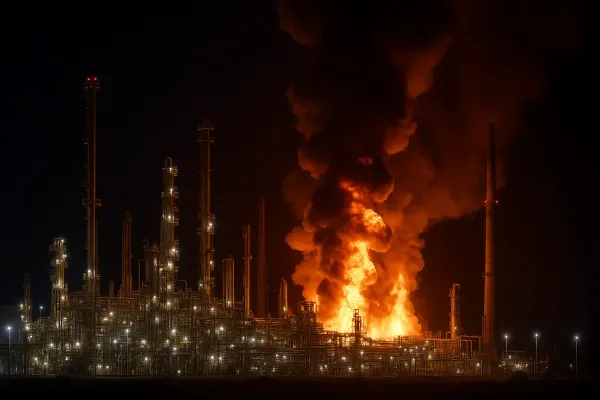
A fire broke out last Monday night at MOL Group’s Danube Refinery in Százhalombatta, damaging one of the largest of its three distillation towers. The incident can have significant impact on regional oil supply and prices.
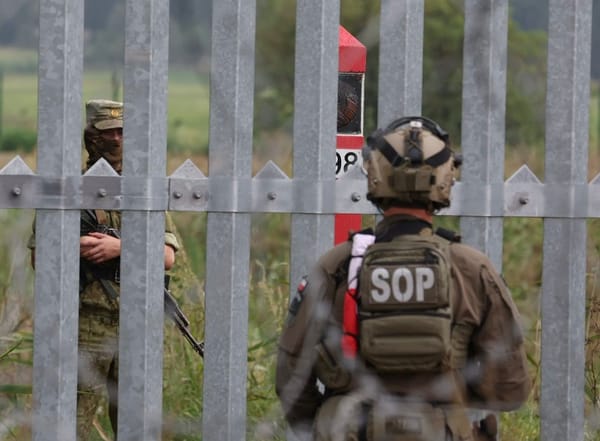
Von der Leyen's visits to frontline NATO states aims to deliver a message of solidarity while boosting Europe’s defence capacity, promoting joint procurement and galvanising industrial support through the EU’s SAFE mechanism.
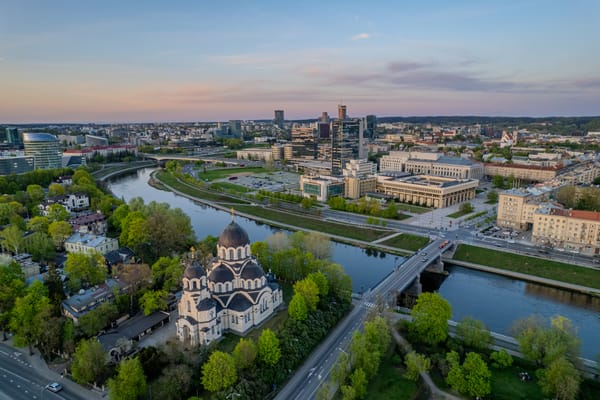
Lithuanian President Gitanas Nauseda described Ruginiene as “a constructive negotiator who seeks compromise”, adding that foreign policy continuity, especially support for Ukraine, would be maintained. Nauseda signed a decree on 27 August formally appointing her.
The alliance’s biggest spenders are all on the Eastern flank and neighbouring Russia, with Poland leading the pack (4.48%) ahead of Lithuania (4.0%), Latvia (3.73%), and Estonia (3.38%). The US is sixth at 3.22% of GDP.
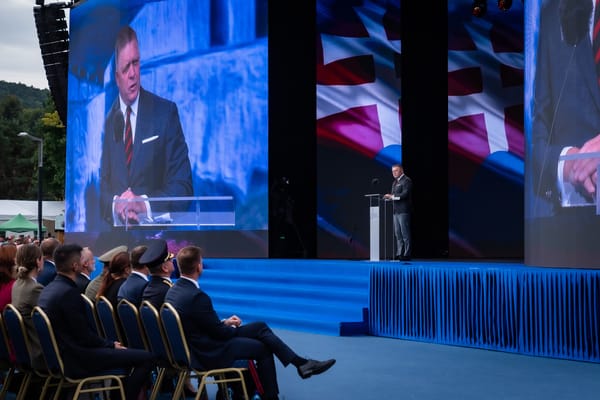
Fico’s Moscow visit and rhetoric at the recent commemoration have deepened tensions with Brussels over his approach to Russia. The forthcoming Beijing trip highlights his efforts to expand ties with China.
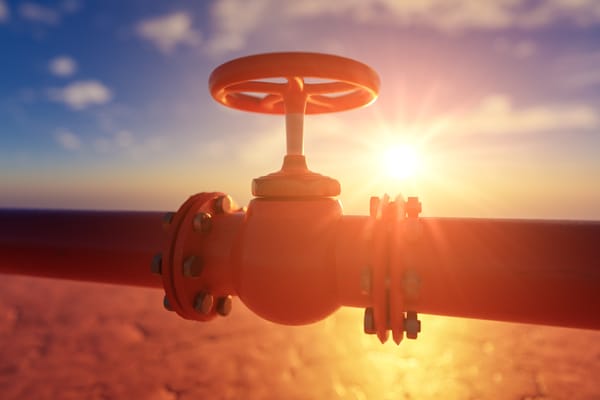
Ukrainian drones have struck at least 10 key Russian energy facilities this month alone, according to US news channel CNN. Attacks on 12, 17 and 21-22 August all targeted Druzhba's same pipeline’s southern leg.
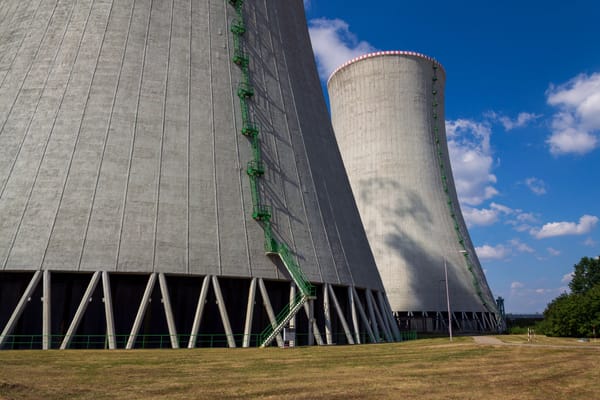
Polish Energy Minister Milosz Motyka confirmed KHNP’s withdrawal but downplayed speculation of a diplomatic rift. “KHNP’s decision does not stem from any government actions and pertains to several European countries,” Motyka posted on X on 20 August.
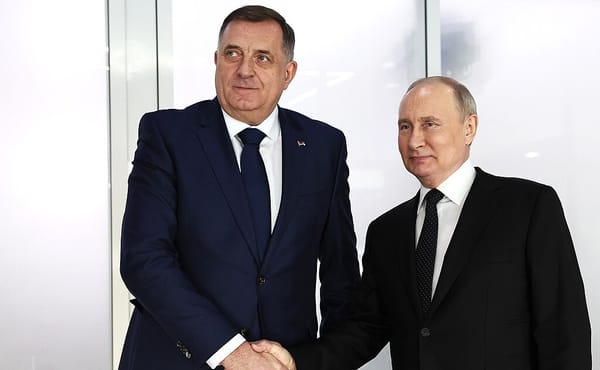
Dodik, once seen as a moderate reformer, has shifted over two decades into a hardline nationalist who consistently tests BiH's post-war settlement.
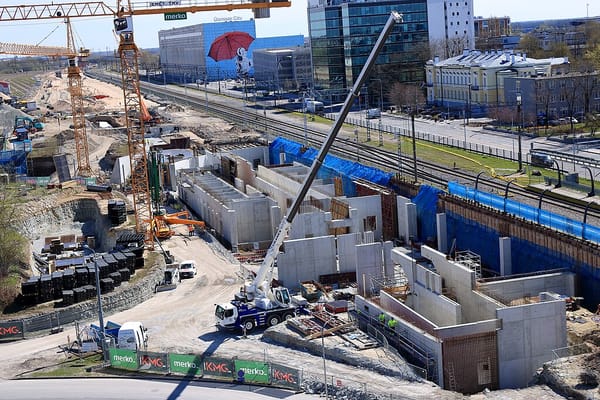
RB is the largest infrastructure project in the Baltics since independence, designed to connect Tallinn, north Estonia, Riga, north Latvia, and Vilnius, south-east Lithuania, to the European standard-gauge network. The railway has also been described as a NATO corridor.
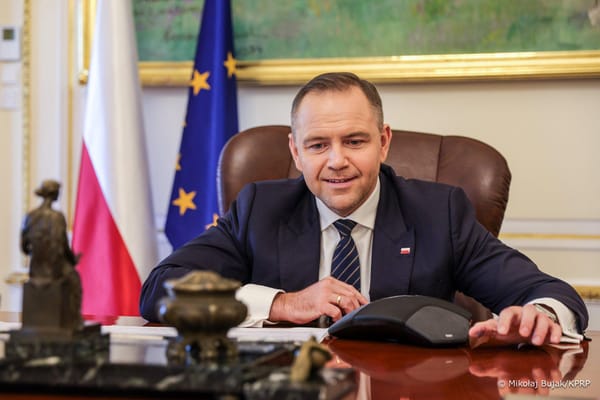
Having spent big on defence, Poland's growing role as a European player is at risk from political infighting, resource strain, and public fatigue.
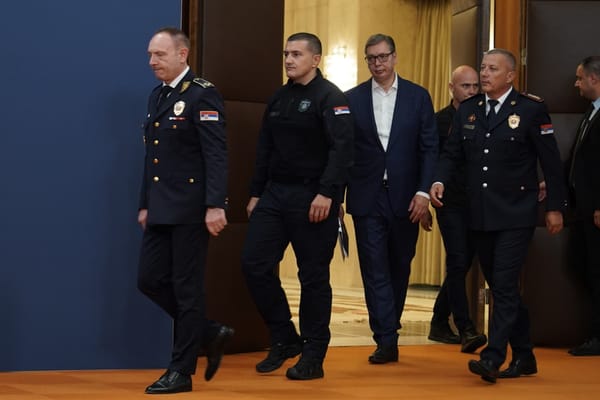
Sunday’s events underscored the mix of largely peaceful mobilisation and episodic violence that now defines the unrest.
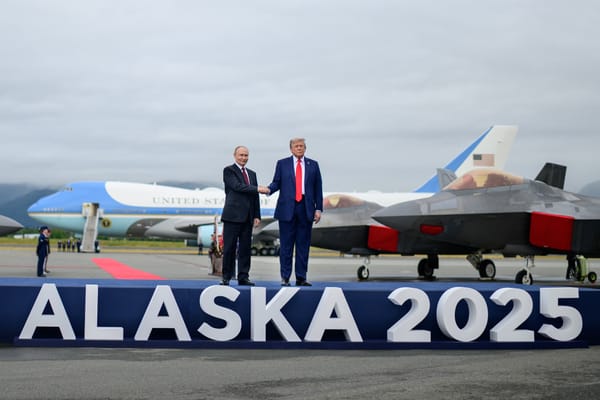
While Hungary and Slovakia welcomed the diplomatic efforts, fellow Visegrad Four members Poland and Czechia joined the Baltic states in rejecting any settlement that bypasses Ukrainian sovereignty.
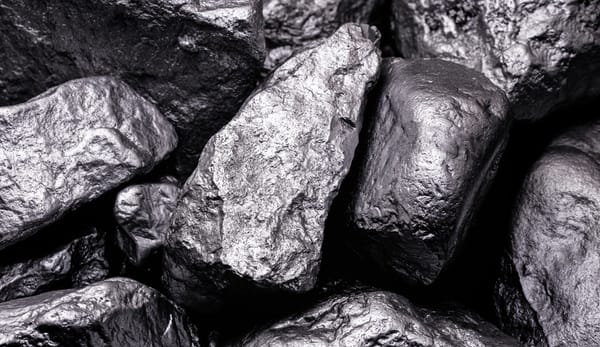
Like other strategic CRM efforts across Central and Eastern Europe, Chvaletice is emblematic of the policy-delivery gap haunting the bloc’s transition ambitions.
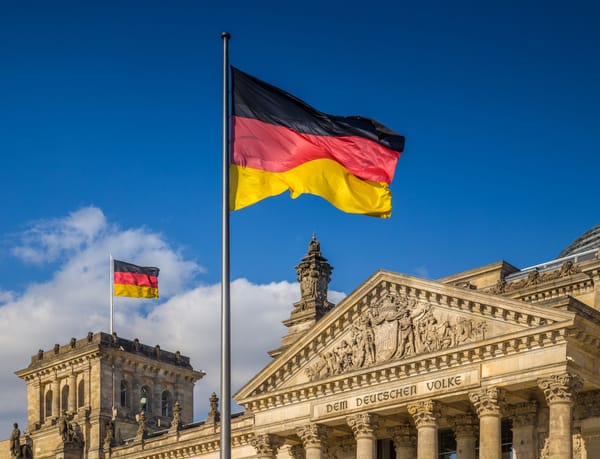
Germany’s trade with Central and Eastern Europe rose EUR 5.4bn to EUR 275bn in the first half of 2025, led by a surge in exports to Poland, Ukraine and Slovenia.
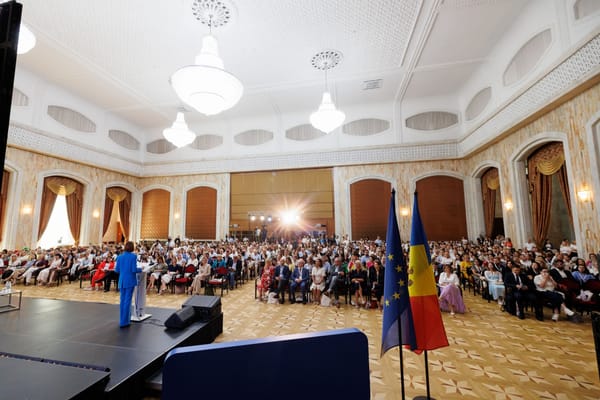
If the EU decides to approach Moldova separately, it would depart from recent EU practice of advancing Moldova, Ukraine and Georgia as a group under the "Association Trio" framework.
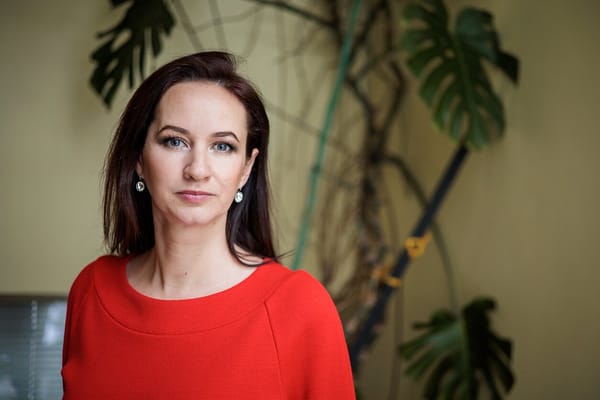
The 44-year-old former Lithuanian Trade Union Confederation chairwoman now awaits a parliamentary confidence vote to approve her cabinet and programme.

“For Europe, analysis of the historical data shows that a 1% drop in geopolitical alignment is associated with a corresponding 1% decline in trade intensity,” Deloitte observed.
Slovenia has more than doubled its public R&D spending in a decade, to nearly 0.9 % of GDP, the highest share in CEE, an Erste Bank Research report published on 6 August found.