The “Roma card” in domestic politics
Debates on Roma communities have resurfaced regionally, amid controversy in Hungary, policy debates in Slovenia and politicization in Czechia, Slovakia.

A collection of 212 posts
Debates on Roma communities have resurfaced regionally, amid controversy in Hungary, policy debates in Slovenia and politicization in Czechia, Slovakia.

The issue of the Beneš Decree and the related Slovak–Hungarian disagreement have now appeared on the regional and European agenda as well.

Contrary to initial interpretations, Czech ammunition deliveries to Ukraine have not been suspended and are continuing.
Slovakia’s new criminal code triggered a constitutional challenge by the country’s Prosecutor General and ignited controversy at home and abroad.

Despite expectations, the EU–Mercosur deal was not signed and stances of CEE countries remain divided.

Recent corruption revelations in Ukraine and institution restructuring in Slovakia brings renewed attention to anti-corruption bodies in CEE.
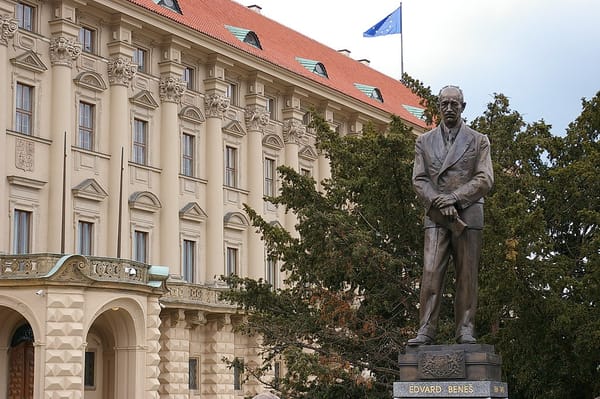
Slovakia’s debate over the Beneš decrees resurfaces grievances about postwar property rights while serving new aims in domestic political bargaining.
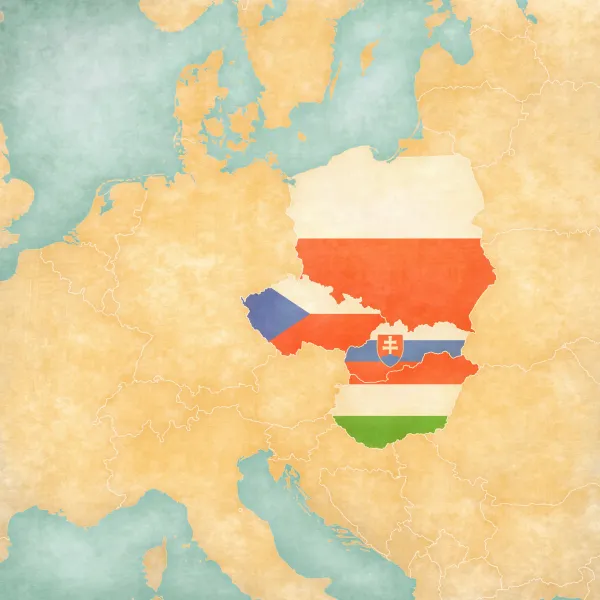
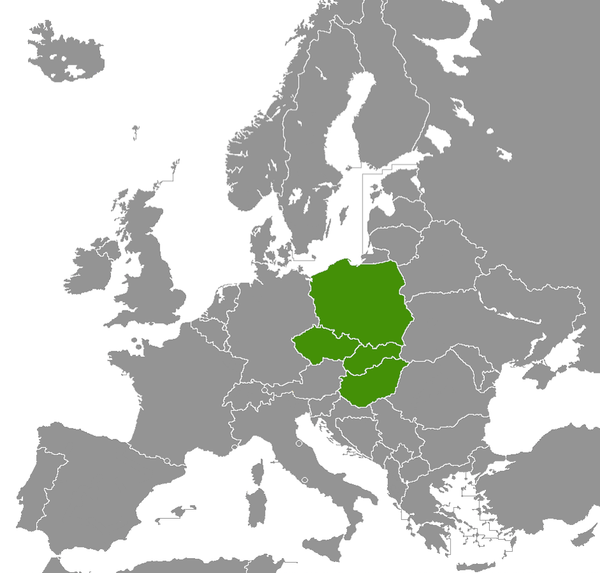
The presidents of the V4 countries gathered in Esztergom —but the differing views on Russian aggression undermines regional unity.
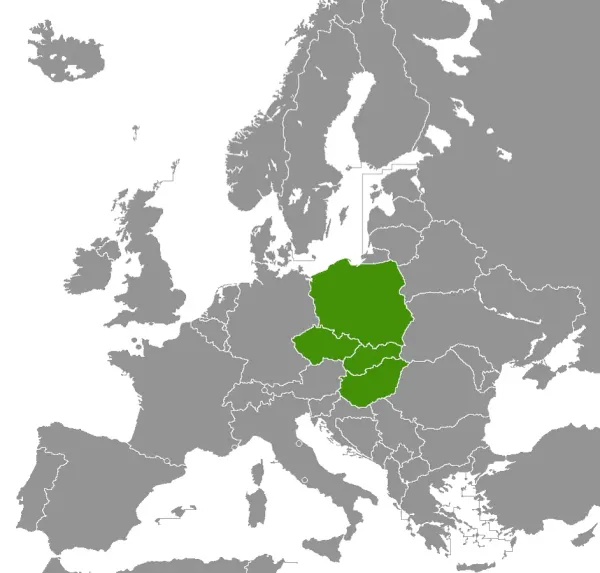
The media landscape in the V4 countries does not show a uniform picture, sending varying messages for potential investors as well.
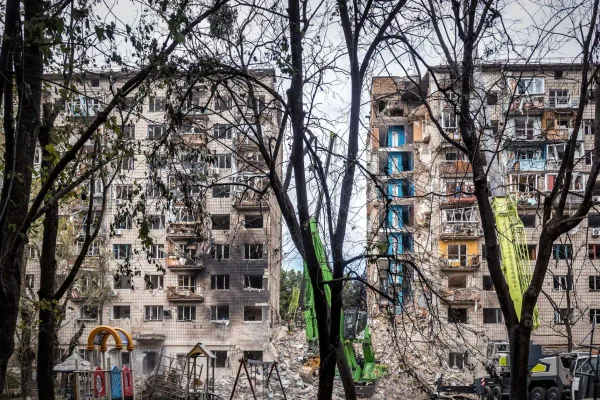
Public attitudes toward the war in Ukraine vary highly and have shifted significantly across the CEE region.

CEE countries differ on euro adoption, some view it as a path to convergence, while others wary of potential negative effects.

As the EU tightens sanctions on Russia, Central European states display contrasting political stances rooted in their priorities and capacities.
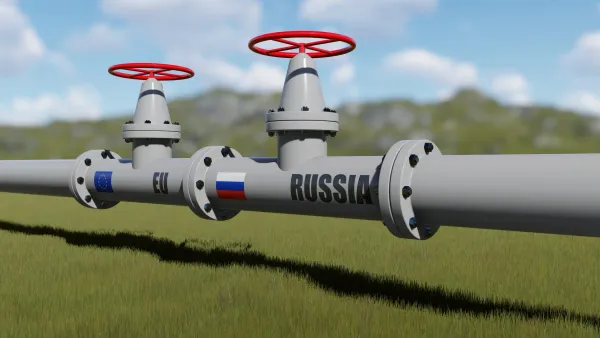
The Central and Eastern European oil market is entering a new era as a result of the US measures aimed at restricting Russian crude exports.
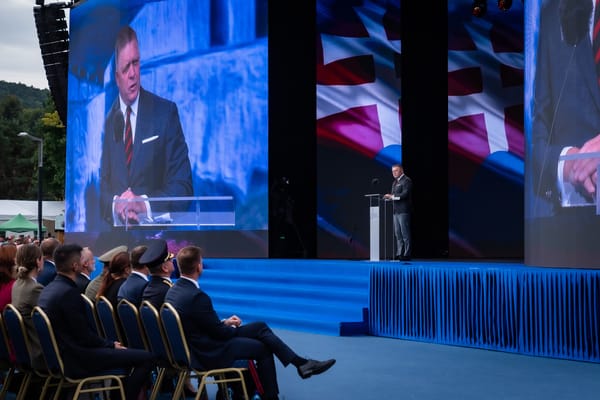
Fico’s Moscow visit and rhetoric at the recent commemoration have deepened tensions with Brussels over his approach to Russia. The forthcoming Beijing trip highlights his efforts to expand ties with China.

Ukrainian drones have struck at least 10 key Russian energy facilities this month alone, according to US news channel CNN. Attacks on 12, 17 and 21-22 August all targeted Druzhba's same pipeline’s southern leg.