Babiš secures third term and steers Czechia toward Central Europe
Babiš has been officially appointed the Czech Prime Minister for the third time, following his ANO party’s success in the October 2025 elections.

Babiš has been officially appointed the Czech Prime Minister for the third time, following his ANO party’s success in the October 2025 elections.
Zhelyazkov submitted his government's resignation minutes before the parliament was due to vote on a motion of no confidence against the cabinet.
Wizz Air transformed CEE aviation since its 2003 founding by delivering ultra-low-cost, point-to-point flights from secondary airports, slashing fares and expanding connectivity.
From a post-communist economy to a European powerhouse, Poland is now seeking a role in global politics.
Slovakia’s debate over the Beneš decrees resurfaces grievances about postwar property rights while serving new aims in domestic political bargaining.
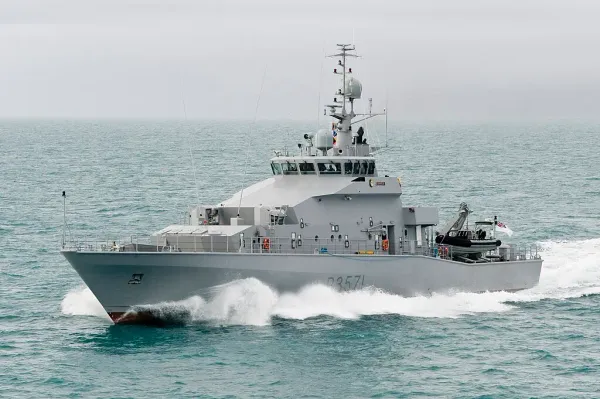
Bulgaria — for the first time in more than 100 years — has launched a newly built, domestically produced warship.
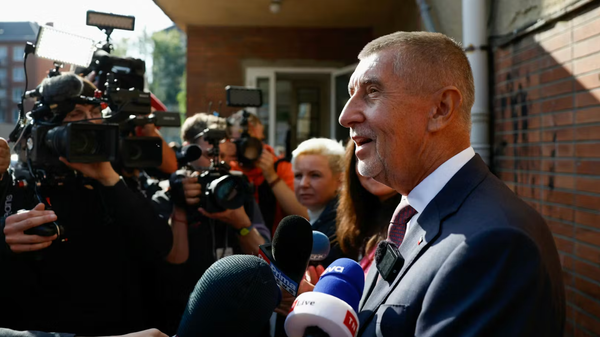
Babiš unveiled a plan to resolve the Agrofert conflict of interest, a step required to secure his appointment as Prime Minister.
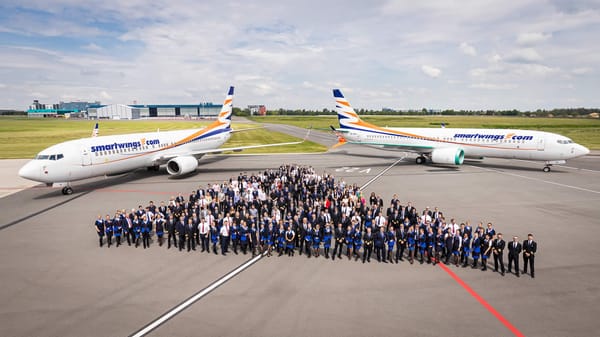
Smartwings owner Jiří Šimáně informed the Polish delegation that he had accepted a higher offer.
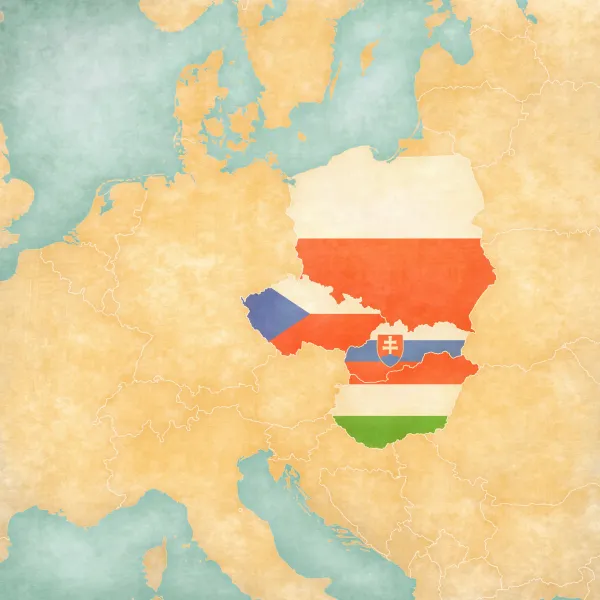
The presidents of the V4 countries gathered in Esztergom —but the differing views on Russian aggression undermines regional unity.
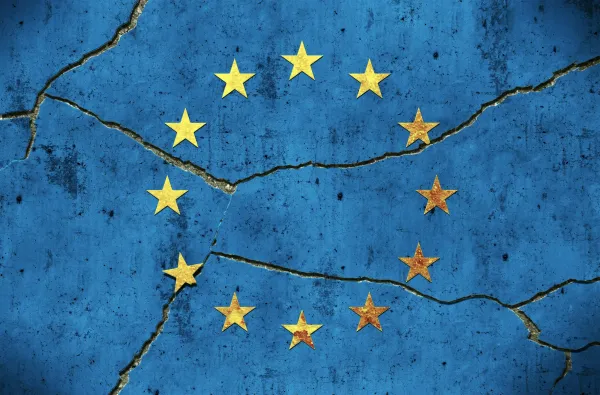
Support for EU membership in Poland remains high, but the share of those who would favour leaving the Union now exceeds 10 percent.
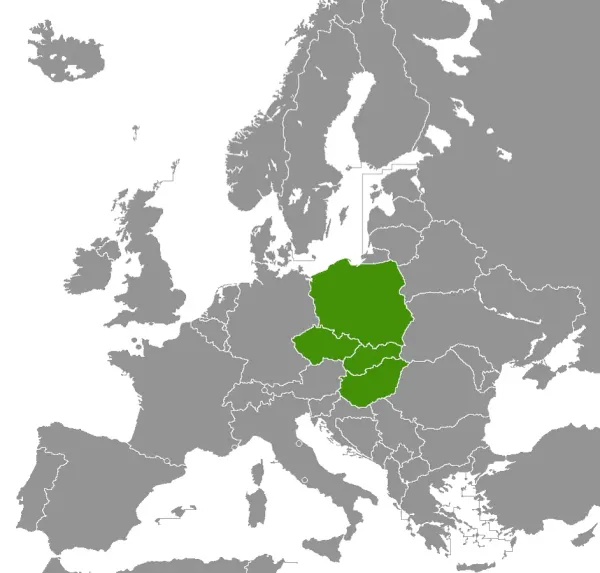
The media landscape in the V4 countries does not show a uniform picture, sending varying messages for potential investors as well.
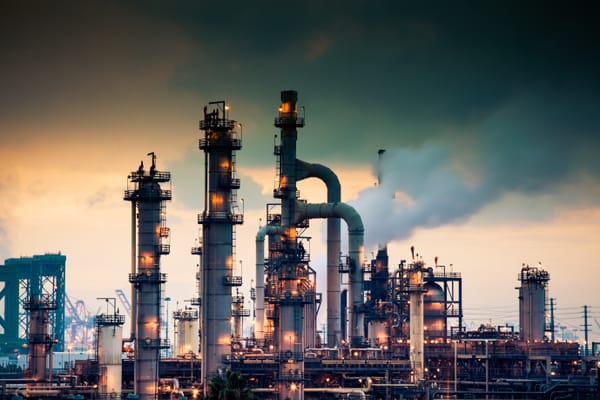
Serbia failed to remove Russian capital from NIS despite extensions; leaving its refinery unlicensed and oil reserves secure only until year-end.
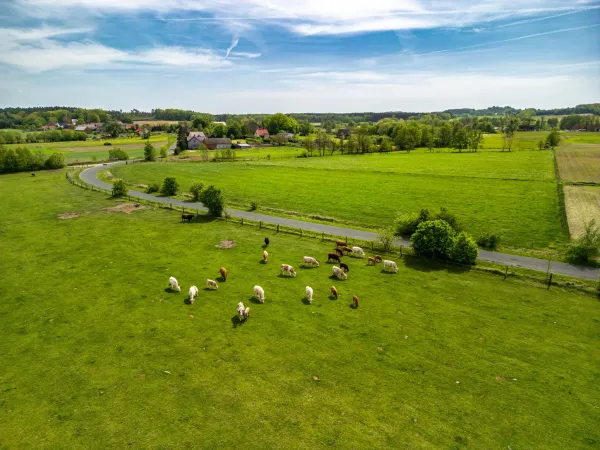
The President has signed the recently adopted parliamentary bill banning the breeding of animals kept for their fur.
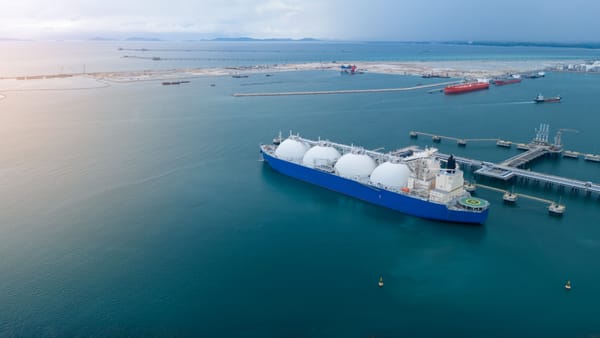
The Neptun Deep project is viewed as a pivotal opportunity for Romania's economy and energy independence.
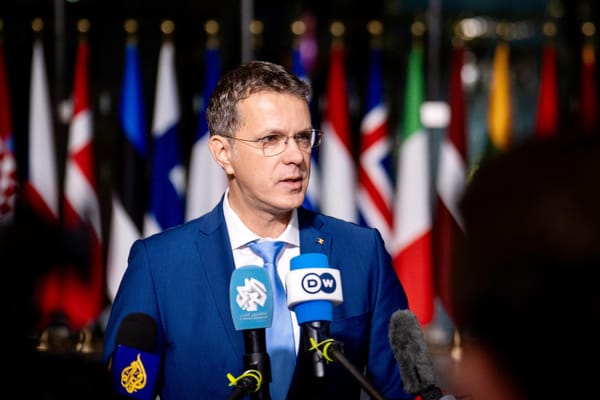
The minister highlighted by resigning he aimed to prevent further distractions from national security concerns.
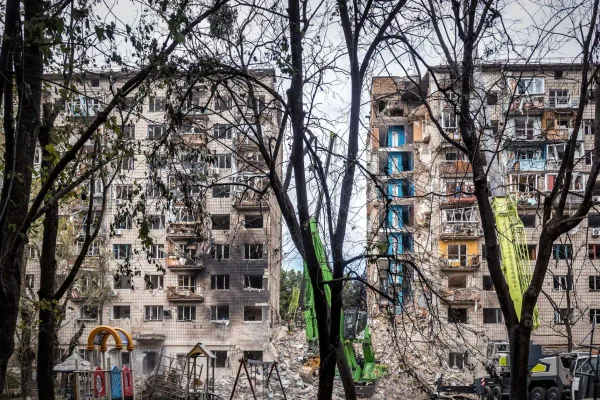
Public attitudes toward the war in Ukraine vary highly and have shifted significantly across the CEE region.
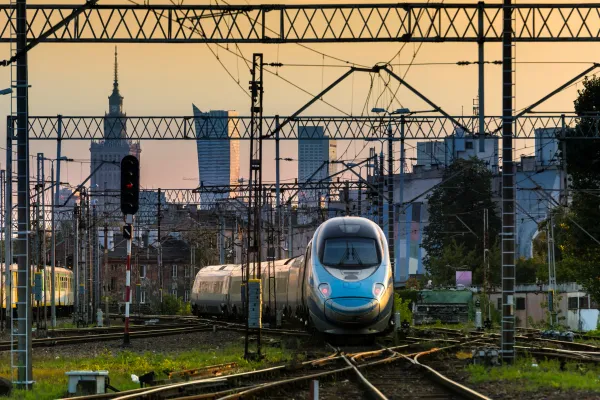
Polish police have made another arrest in connection with a serious railway sabotage case.
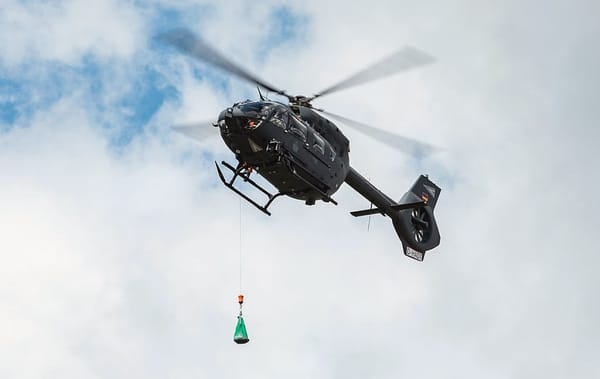
Croatia has concluded that the June 2023 Hungarian military helicopter crash was caused by human error after the crew deviated from its flight path.
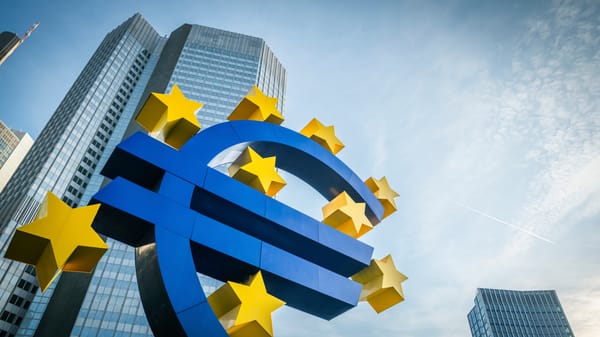
CEE countries differ on euro adoption, some view it as a path to convergence, while others wary of potential negative effects.
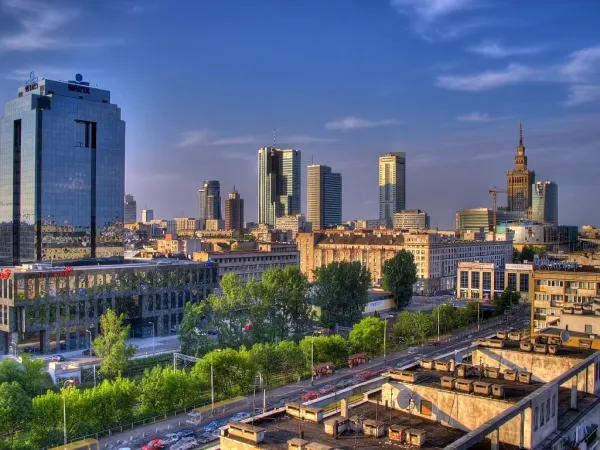
Poland’s economic weight is undoubtedly increasing in the region, with Polish-German economic relations and political tensions deepening.
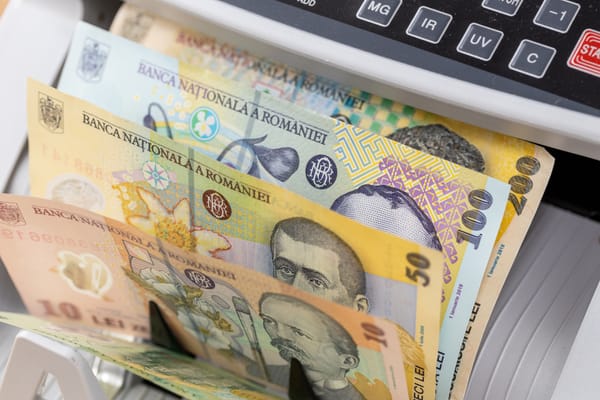
Romania is projected to see modest growth and a gradual narrowing of the budget deficit over the next three years.
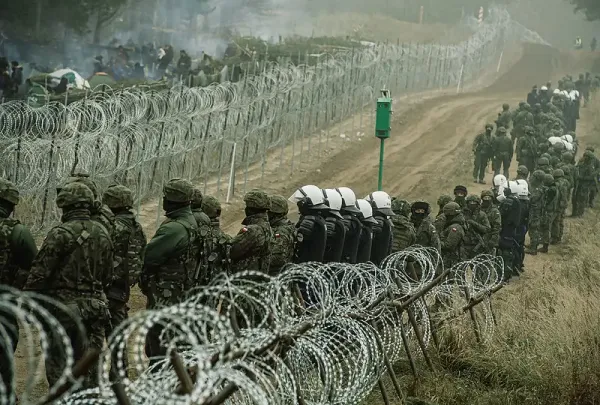
More and more migrants enter the EU via its northeast border, making Poland a buffer against Moscow’s politically driven bid to destabilize Europe.
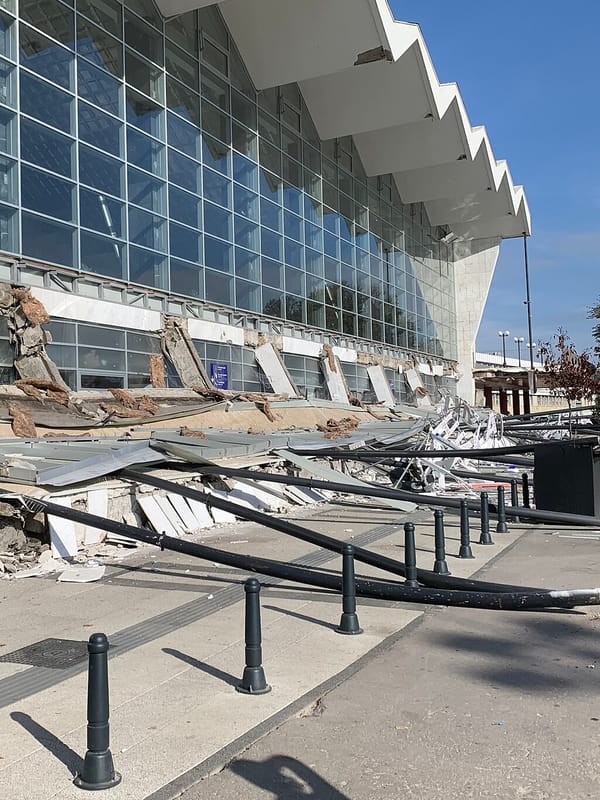
After the one-year anniversary of the Novi Sad canopy collapse, the political repercussions continue to unfold.
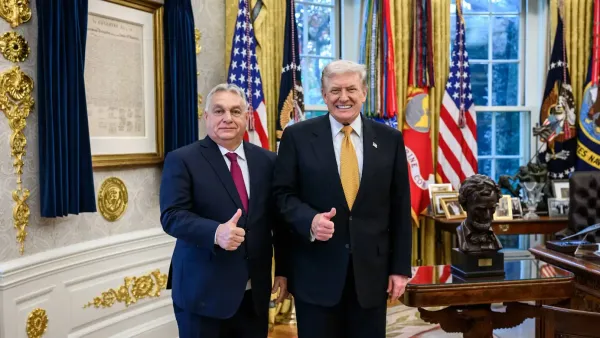
Orbán’s White House visit secured Hungary’s US sanctions exemptions and imply the start of a golden era in bilateral ties.
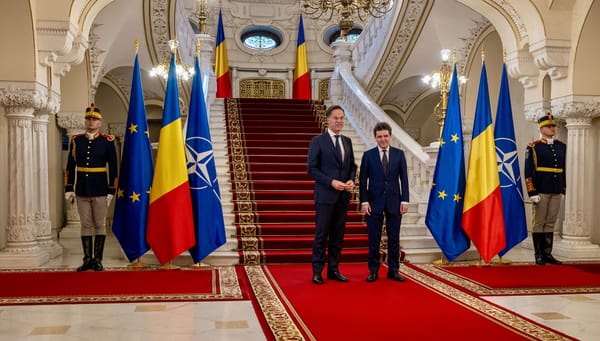
Romanian and NATO leaders held talks focusing on strengthening Romania’s security amid ongoing regional tensions.
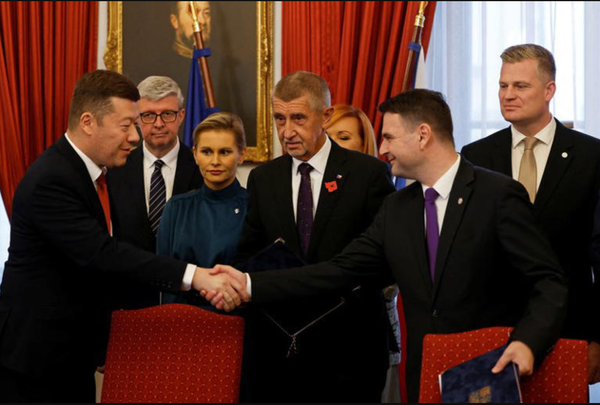
Andrej Babiš’s ANO movement returns to power in coalition with nationalist allies, promising social protection, lower energy prices, and a tougher stance toward Brussels.
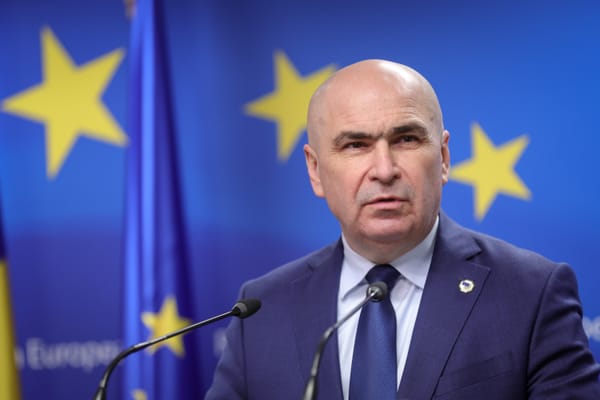
Romanian PM Ilie Bolojan warned that peace is no longer guaranteed, stressing that ensuring security is a shared responsibility of society.
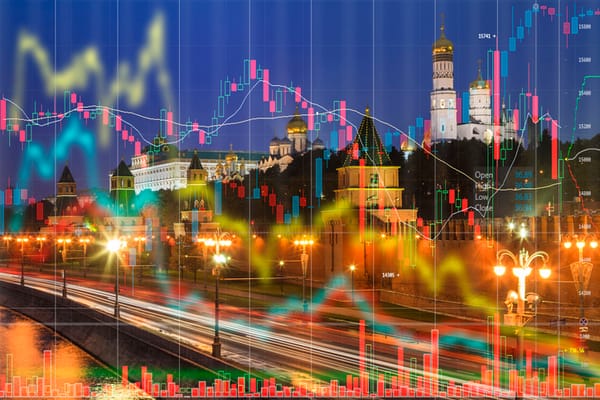
As the EU tightens sanctions on Russia, Central European states display contrasting political stances rooted in their priorities and capacities.
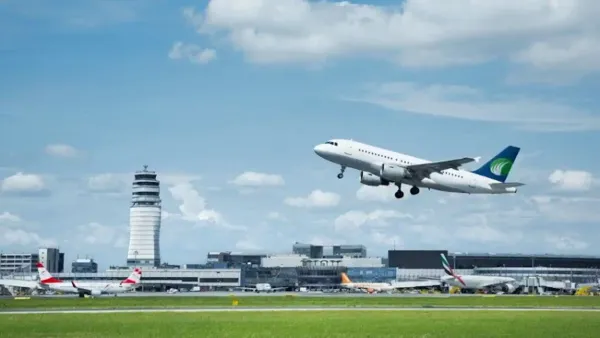
The competitiveness of Austria’s aviation market is under increasing pressure, with industry leaders warning that the country risks falling behind its European peers due to mounting costs and taxes.
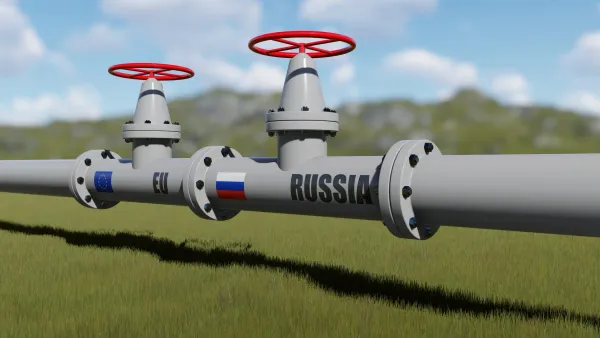
The Central and Eastern European oil market is entering a new era as a result of the US measures aimed at restricting Russian crude exports.