The EU’s employment rate reached a record high of 70.9% in the fourth quarter of 2024, according to the Organisation for Economic Co-operation and Development (OECD). But while this marks a major milestone for the bloc, the picture in Central and Eastern Europe (CEE) is more complex, as
Greece has announced plans to repay its first bailout loans a decade ahead of schedule, in a move that officials say underscores the country’s economic recovery and new fiscal credibility. The repayment strategy would see Greece pay off the remaining EUR 31bn of its initial EUR 53bn in bailout
Despite their export-driven economies and strong manufacturing bases, Central and Eastern Europe (CEE) countries may be more resilient to global trade tensions from US tariff policies, than previously assumed, ING bank writes in a new report.
Economies have shown resilience - ING
While CEE's close ties with Germany
Slovenia is at the centre of a strategic struggle between France and the US, as both nations seek to secure a contract to build the Krsko 2 nuclear reactor. The estimated EUR 11bn project aims to bolster energy security across Central and Eastern Europe (CEE) and align with Slovenia'
The EU’s internal market is still falling short of its founding promise. Despite decades of integration, consumers across member states face uneven product quality and varied prices. This is due to regulatory fragmentation in two main forms: Territorial Supply Constraints and gold-plating. TSCs occur when suppliers block cross-border sourcing
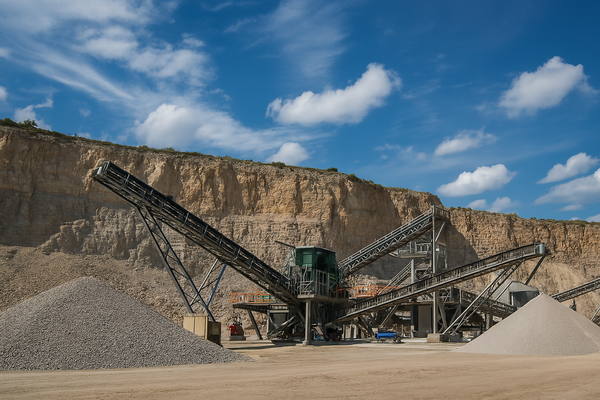
The European Commission (EC) has chosen 47 strategic projects across the EU to reduce critical raw material dependency, with Czechia, Estonia, Poland, and Romania at the forefront, marking a significant boost to regional competitiveness amid intensifying geopolitical tensions.
The EC’s selections are critical to the industrial future of Central
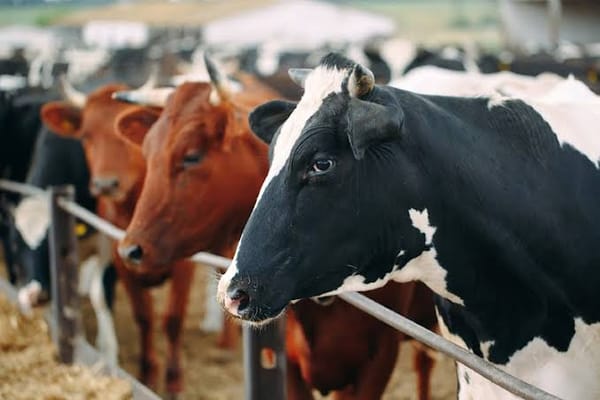
An outbreak of foot-and-mouth disease (FMD) has prompted mass animal culls and tightened border controls across Central and Eastern Europe (CEE). The breakout represents the first significant detection of FMD in Hungary and Slovakia in over five decades.
Since Hungary confirmed its first case at a dairy farm in Gyor-Moson-Sopron
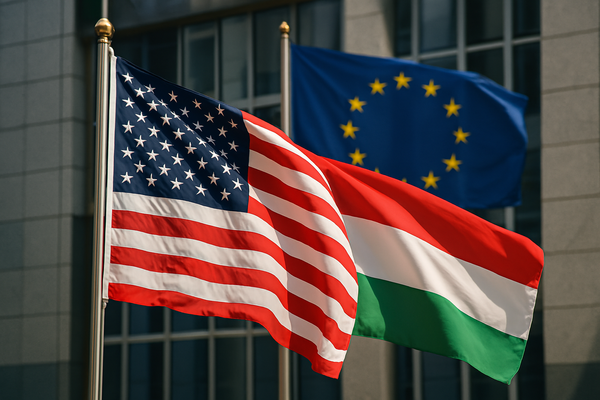
Hungary has broken ranks with the EU in response to the US's new tariffs policy, as Hungarian Prime Minister Viktor Orban seeks to preserve close ties with the Trump administration amid the resultant trade tensions.
Hungary pushes back on retaliatory tariffs
The EU confirmed on 9 April that
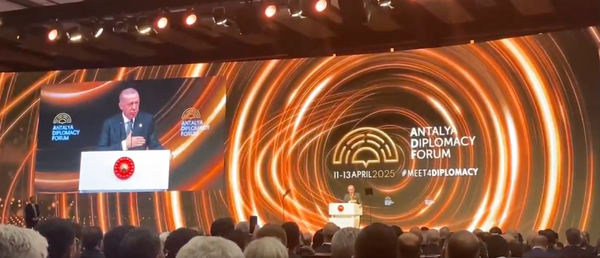
Attendees from Central and Eastern Europe (CEE) nations including Bulgaria, Hungary, Romania, Poland, Czechia, Slovakia, Moldova and others discussed policy priorities at the Antalya Diplomacy Forum in south west Turkey on 11-13 April.
The forum's theme "Reclaiming Diplomacy in a Fragmented World" set the tone for
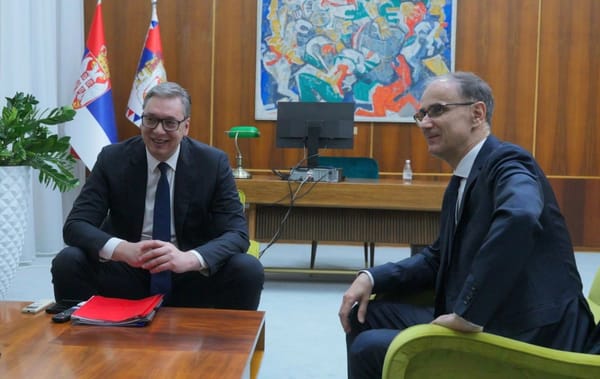
Serbian President Aleksandar Vucic nominated political newcomer Duro Macut, a 62-year-old endocrinologist and university professor, to serve as the country’s next prime minister on Monday, 7 April.
The nomination comes amid ongoing mass protests demanding political accountability for governmental scandals and infrastructure failures.
Macut’s nomination was announced weeks
When Croatia, Albania and Kosovo recently formed a new military alliance, Serbia and Hungary followed suit, reshaping the security situation in South East Europe.
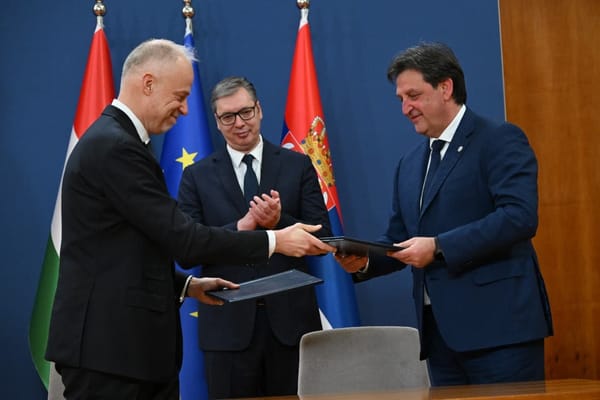
Serbian Defence Minister Bratislav Gasic and Hungarian Defence Minister Kristof Szalay-Bobrovniczky earlier this month signed a bilateral military cooperation agreement in the Serbian capital of Belgrade.
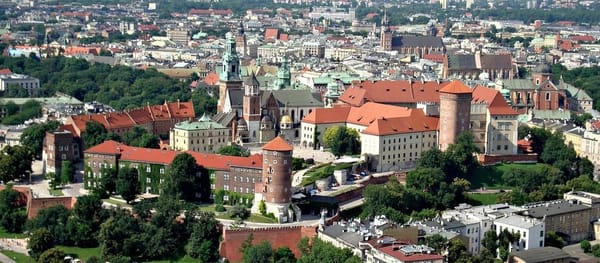
The city of Krakow, south Poland, saw nearly 1,900 group layoffs in the first quarter of 2025, almost equalling the total for all of 2024, local media reported, citing official data.
The dismissals, mostly affecting white-collar roles in finance, technology and business services, point to deeper structural changes in
Stock markets in Central and Eastern Europe (CEE) fell sharply after US President Donald Trump announced retaliatory tariffs on global imports on 2 April 2025, spooking the region's export-dependent economies and reviving fears of a wider economic slowdown.
CEE Stock Market Weekly Performance to 7 April 2025
Most
Romania will hold fresh presidential elections on 4 May, after its Constitutional Court annulled November's vote, citing Russian interference.
However, the decision to disqualify nationalist frontrunner Calin Georgescu has seemingly propelled far-right leader George Simion into a commanding position, fuelling concerns about the direction of Romanian democracy.
Generational
Trying to figure out the rationale behind Trump’s “trade revolution”? Don’t bother, there isn’t one. It is rooted in delusion, yet the consequences are real, and already here for us all. What is coming has the potential to turn into a recession equal to the most destructive
Liberation Day is here. Trump has announced his tariffs targeting the US’s biggest trading partners, delivering one of the biggest blows to the global economy since the pandemic—and hitting the US especially hard.
Likely countermeasures will target the heart of the US economy: its service sector - including
Republika Srpska (RS) President Milorad Dodik announced that he had arrived in Moscow on Monday 31 March, after Bosnia and Herzegovina (BiH) prosecutors ordered an international arrest warrant for his alleged flouting of the BiH Constitution.
BiH is facing its biggest political challenge in years, as Dodik escalates a legal
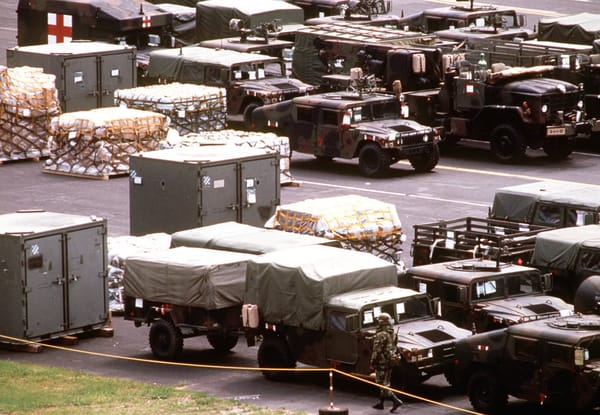
A total of three US soldiers were found dead while a fourth remains missing after their armoured recovery vehicle became submerged in a peat bog during a NATO training exercise near the Belarusian border in Lithuania on 25 March 2025. The incident occurred at the General Silvestras Zukauskas Training Area
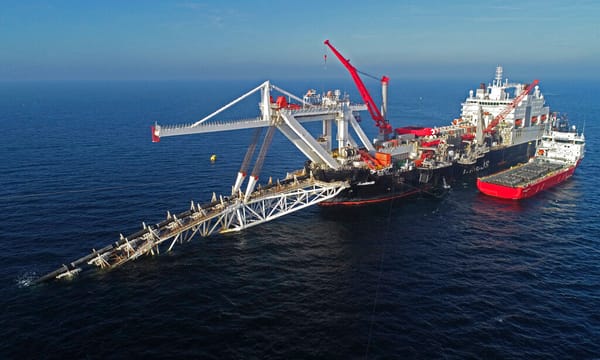
The US and Russia are discussing the potential reopening of the Nord Stream 2 gas pipeline, raising significant concerns across Europe, according to media reports.
The natural gas pipeline, which runs beneath the Baltic Sea, aimed to double Russian gas exports to Germany. However, it has remained inactive since its
Startups in Central and Eastern Europe (CEE) are growing faster than in Western Europe and the CEE startup ecosystem is now worth EUR 243bn, according to the CEE Startups 2025 report.
While funding and valuations have surged in recent years, structural challenges remain, including geographic fragmentation, uneven investor coverage, and
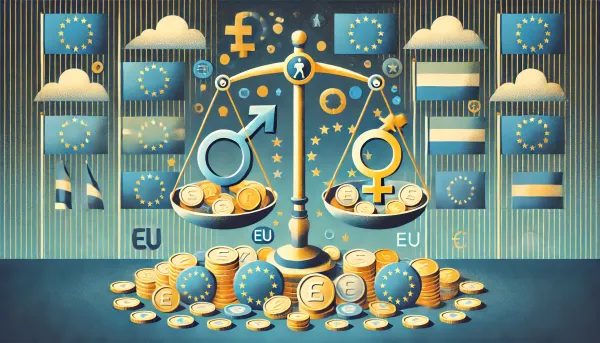
Romania and Poland have gender pay disparities among the lowest in the EU, according to Eurostat data published this month. In Central and Eastern Europe (CEE), Romania and Poland recorded the smallest gender pay gaps in 2023, at 3.6% and 4.5% respectively — both well below the EU average
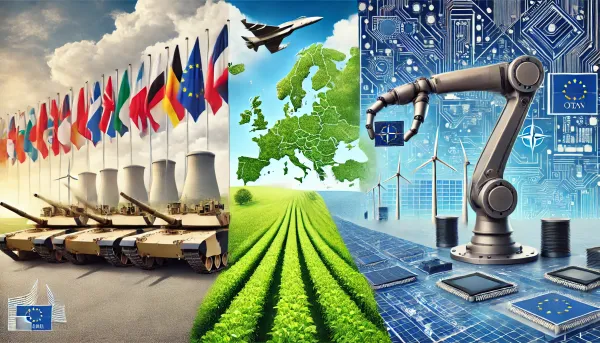
European leaders met in Brussels on 20 March to confront a mounting policy dilemma: how to balance rearmament, the green transition, and economic competitiveness. The discussions come amid slowing growth, high energy costs, and growing strategic insecurity — all while EU fiscal rules remain in place.
At the heart of the
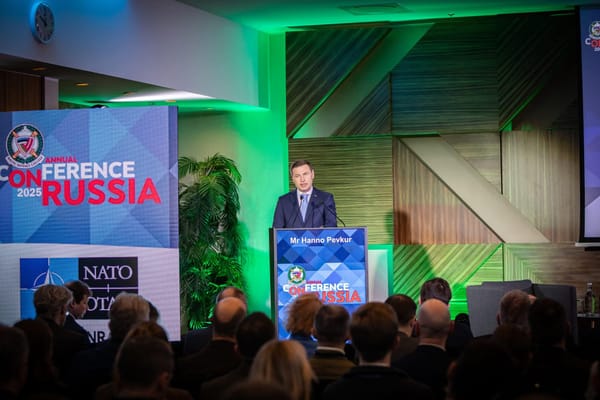
Estonian Defence Minister Hanno Pevkur pushed back on Tuesday against criticism of the country’s joint ammunition procurement strategy, defending multilateral arrangements as the most efficient way to ensure quick and cost-effective delivery.
Pevkur, a member of the Reform Party, rejected claims that Estonia would have received munitions faster through
Croatian Economy Minister Ante Susnjar said state-owned oil pipeline operator Jadranski Naftovod (Janaf) could acquire Russia’s stake in Serbian oil company Naftna Industrija Srbije (NIS), calling the potential deal a “natural business symbiosis”, local media reported.
Janaf transports around 80% of the crude oil refined by NIS at its
The European Commission (EC) has launched an inquiry into state support provided by Hungary to Chinese electric vehicle (EV) manufacturer BYD, as part of a broader investigation into foreign subsidies distorting competition in the EU.
The preliminary probe, initiated on 19 March 2025, comes under the EU’s Foreign Subsidies