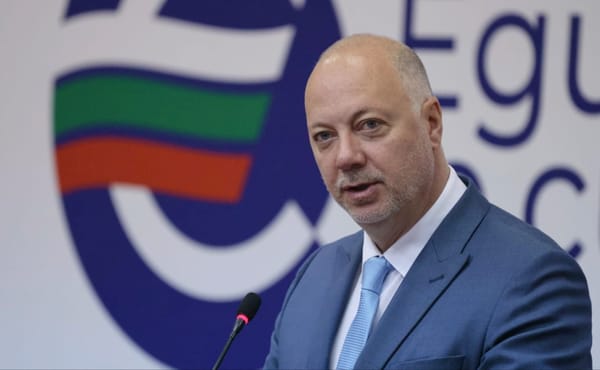
Bulgarian Prime Minister resigns amid ongoing protests and no confidence motion
Zhelyazkov submitted his government's resignation minutes before the parliament was due to vote on a motion of no confidence against the cabinet.

A collection of 153 posts
Zhelyazkov submitted his government's resignation minutes before the parliament was due to vote on a motion of no confidence against the cabinet.
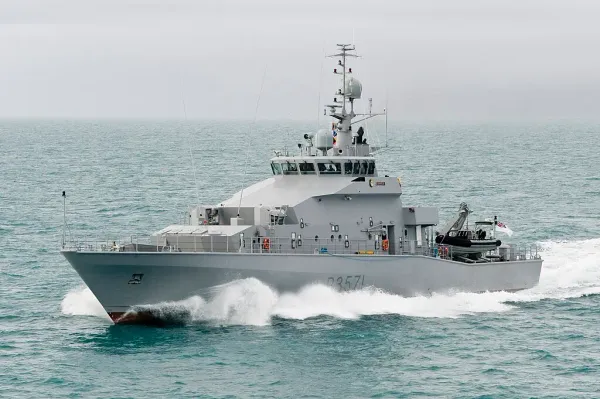
Bulgaria — for the first time in more than 100 years — has launched a newly built, domestically produced warship.
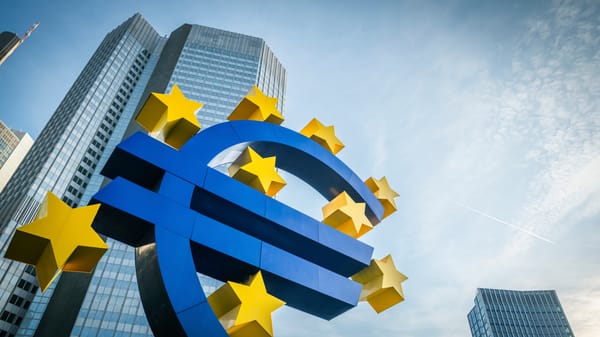
CEE countries differ on euro adoption, some view it as a path to convergence, while others wary of potential negative effects.
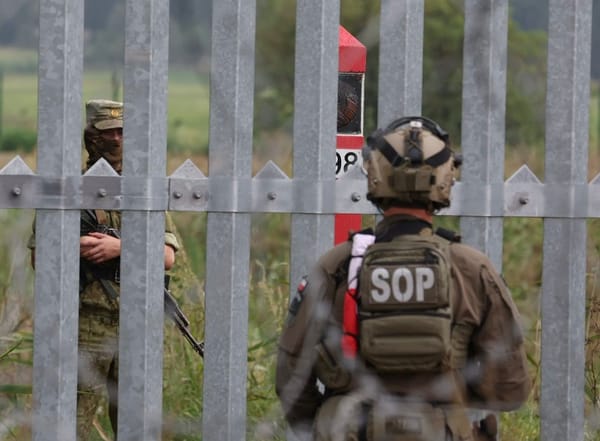
Von der Leyen's visits to frontline NATO states aims to deliver a message of solidarity while boosting Europe’s defence capacity, promoting joint procurement and galvanising industrial support through the EU’s SAFE mechanism.

Research by TechBehemoths shows that strong education systems, multilingual talent pools and EU-level legal protections keep CEE competitive for global tech outsourcing and nearshoring.
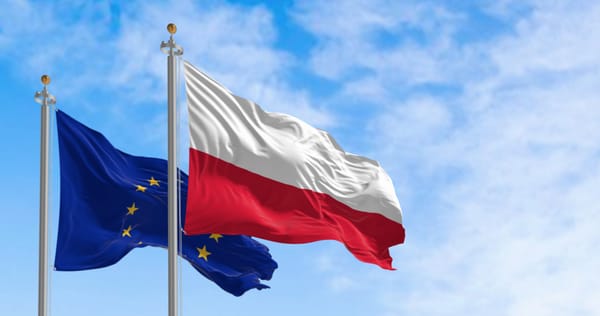
The European Commission (EC) published long-term budget allocation plans on 17 July, showing Poland set to receive the highest national allocation under the 2028-34 Multiannual Financial Framework (MFF), totalling EUR 123.3bn.
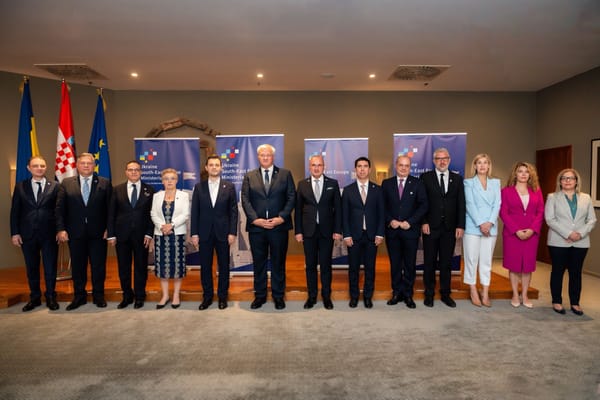
Serbia and Bulgaria did not sign the Dubrovnik declaration. Serbian President Aleksandar Vucic has maintained a policy of strategic ambiguity regarding NATO, while Bulgarian President Rumen Radev has voiced concerns about deepening military support for Ukraine.

The signatories, including Poland, Romania, Hungary, Bulgaria, Slovakia, Estonia, Latvia and Lithuania, said the policy’s “visibility and predictability” would be compromised if merged into a broader single investment fund.

Producers in Poland, Czechia and Moldova are rebranding locally and pursuing new strategies to stay afloat after the collapse of major foreign markets, in the wake of Russia’s invasion of Ukraine and Western sanctions on premium alcohol.

Hungary has now fallen to the lowest position in the EU for actual individual consumption (AIC), despite its starting position ahead of several regional peers two decades ago.
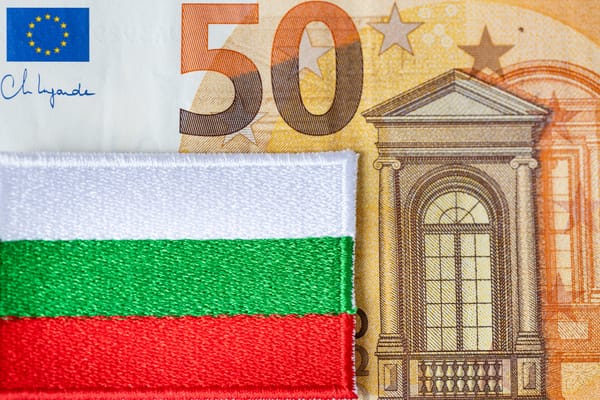
Petar Ganev, senior research fellow at Bulgaria’s Institute for Market Economics said “When you don’t trust the institutions in the country, it is much harder to make any transition … especially when it comes to joining the euro."
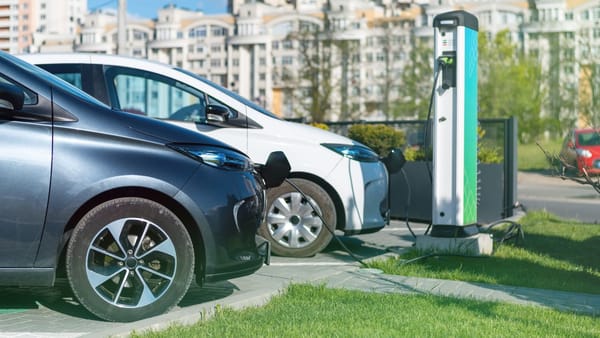
While Romania, Bulgaria and Serbia continue to attract foreign capital, structural delays in electrification and infrastructure risk diminishing long-term value, according to the International Trade Centre (ITC) Trade Map.

China's trade with Central and Eastern Europe (CEE) reached USD 142.3bn in 2024, marking a 6.3% year-on-year increase, surpassing China's overall foreign trade growth rate by 2.5 percentage points, according to China's General Administration of Customs. The total marked a 4.

Nominal minimum wages in Romania and Bulgaria have more than doubled in the last decade, with the sharpest growth before 2020. Czechia and Slovakia now apply EU-aligned benchmarks for annual adjustments.
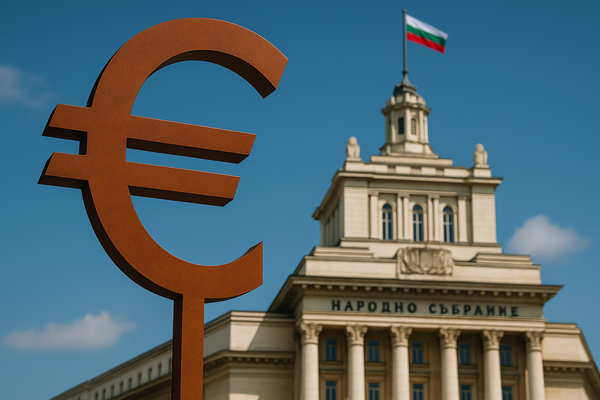
Bulgaria’s pro-European opposition has tabled a declaration committing the country to join the Eurozone on 1 January 2026, challenging the government to reaffirm its commitment to its deadline, amid suggestions of a referendum on the issue. The We Continue the Change-Democratic Bulgaria (PP-DB) coalition, called for Parliament to restate