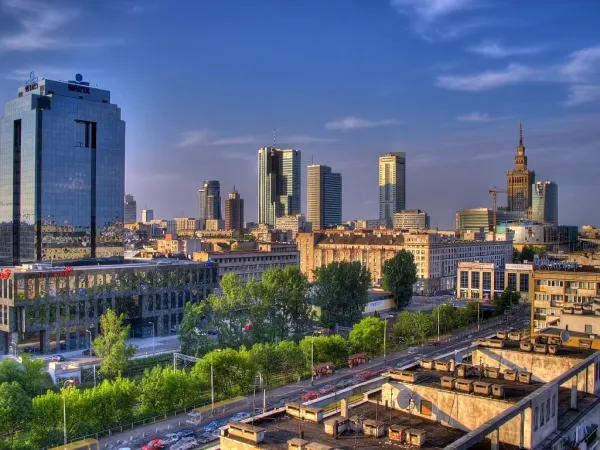
Poland: A new regional power center in search of its role
Poland’s economic weight is undoubtedly increasing in the region, with Polish-German economic relations and political tensions deepening.

A collection of 143 posts
Poland’s economic weight is undoubtedly increasing in the region, with Polish-German economic relations and political tensions deepening.
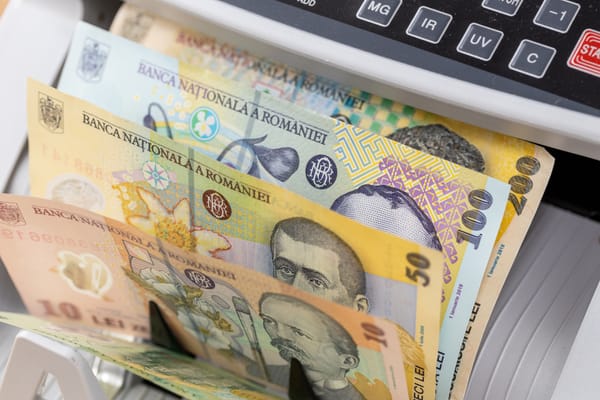
Romania is projected to see modest growth and a gradual narrowing of the budget deficit over the next three years.
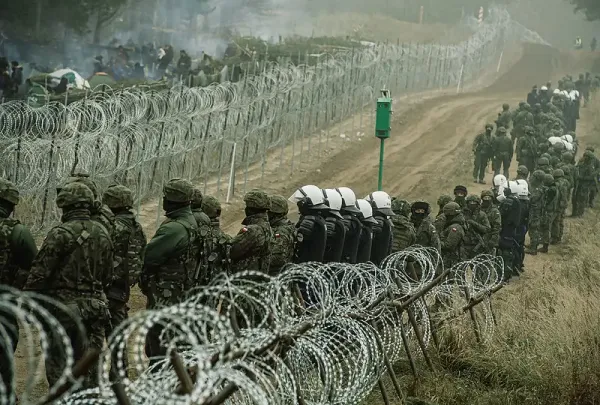
More and more migrants enter the EU via its northeast border, making Poland a buffer against Moscow’s politically driven bid to destabilize Europe.
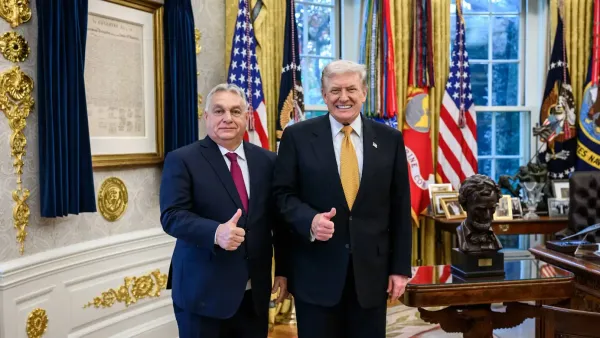
Orbán’s White House visit secured Hungary’s US sanctions exemptions and imply the start of a golden era in bilateral ties.
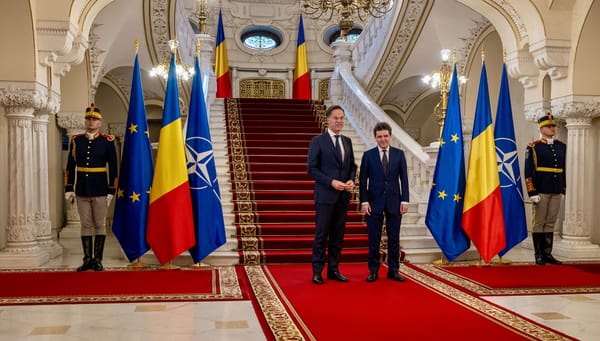
Romanian and NATO leaders held talks focusing on strengthening Romania’s security amid ongoing regional tensions.
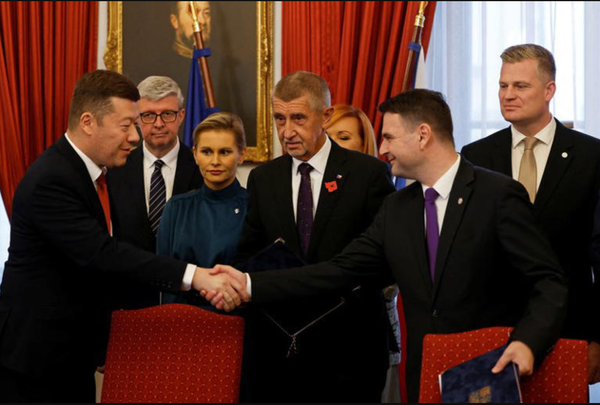
Andrej Babiš’s ANO movement returns to power in coalition with nationalist allies, promising social protection, lower energy prices, and a tougher stance toward Brussels.
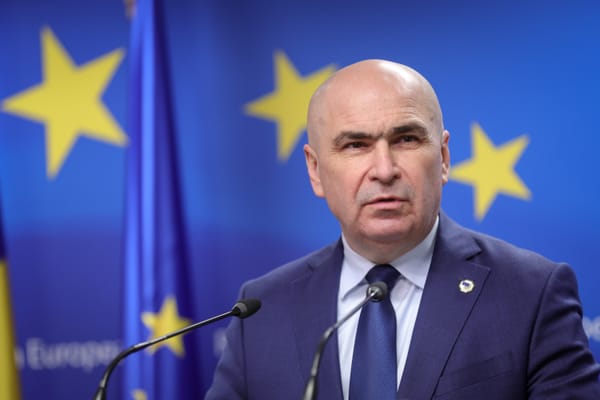
Romanian PM Ilie Bolojan warned that peace is no longer guaranteed, stressing that ensuring security is a shared responsibility of society.
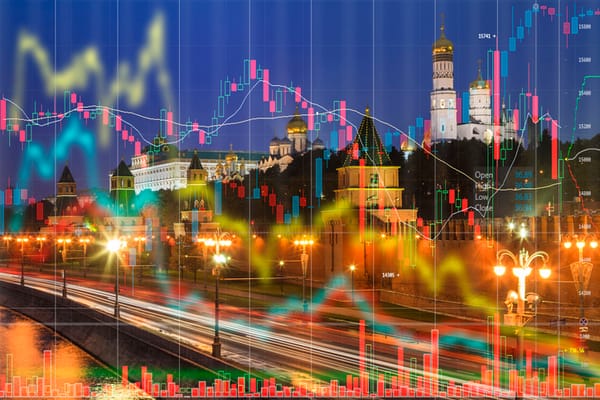
As the EU tightens sanctions on Russia, Central European states display contrasting political stances rooted in their priorities and capacities.
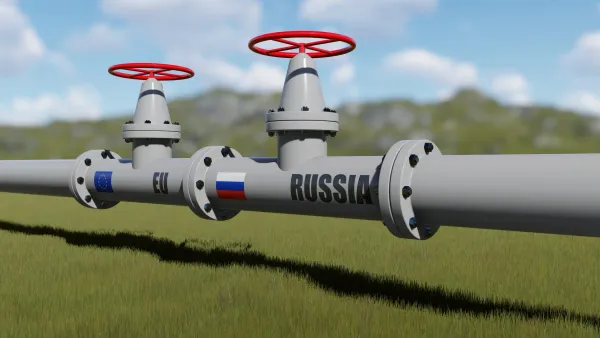
The Central and Eastern European oil market is entering a new era as a result of the US measures aimed at restricting Russian crude exports.
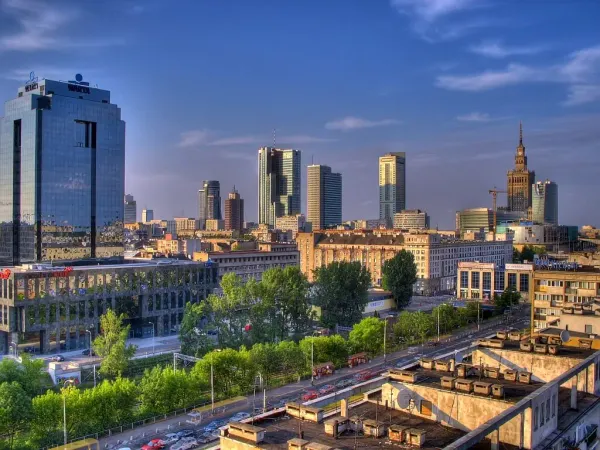
Over the past decade and a half, Poland has undergone a remarkable economic transformation, and in several key indicators it is now comparable with Japan. The question many economists are asking is: what is Poland’s secret, and how has it managed to outpace its Central European peers?
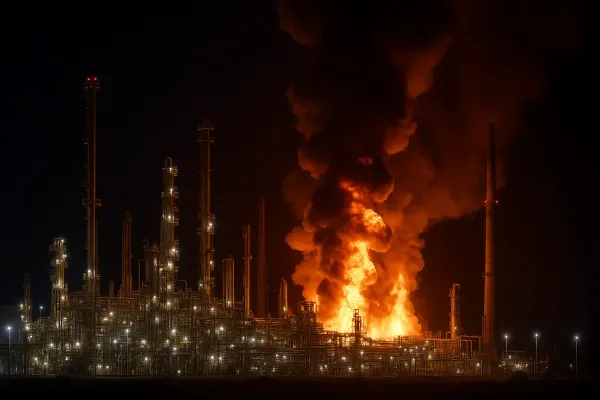
A fire broke out last Monday night at MOL Group’s Danube Refinery in Százhalombatta, damaging one of the largest of its three distillation towers. The incident can have significant impact on regional oil supply and prices.
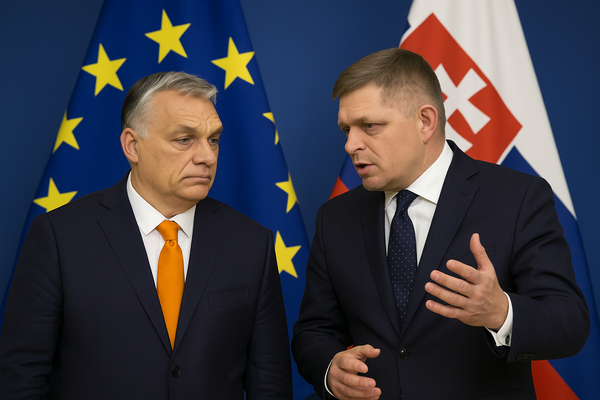
Hungary and Slovakia have emerged as the most vocal opponents of two of the EU’s most consequential reform proposals: plans to phase out Russian energy imports and to overhaul the bloc’s long-term budget to prioritise defence, climate and digital transition. EU mulls ban of new Russian energy contracts
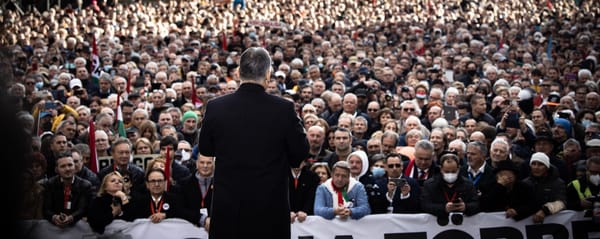
Hungarian Prime Minister Viktor Orban's ruling Fidesz party submitted on Tuesday, 13 May a bill that would allow the government to monitor, penalise and potentially ban organisations receiving foreign funding and categorised as threats to national sovereignty. The draft law would expand the powers of the Sovereignty Protection
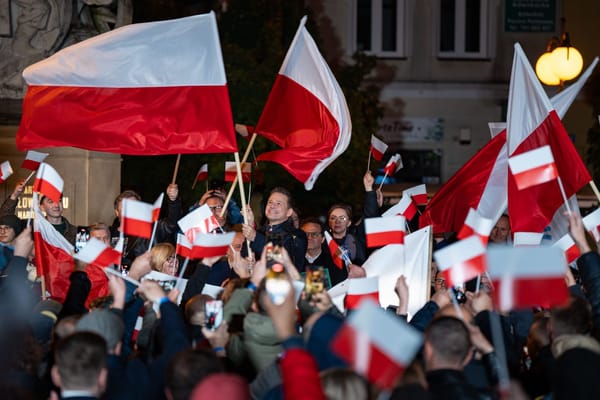
Centrist Warsaw Mayor Rafal Trzaskowski narrowly won in the first round of Poland’s presidential election, setting up a closely contested runoff on 1 June. With 99.75% of votes counted, Trzaskowski, backed by Polish Prime Minister Donald Tusk’s centrist Civic Coalition (KO) secured 31.3% on 18 May
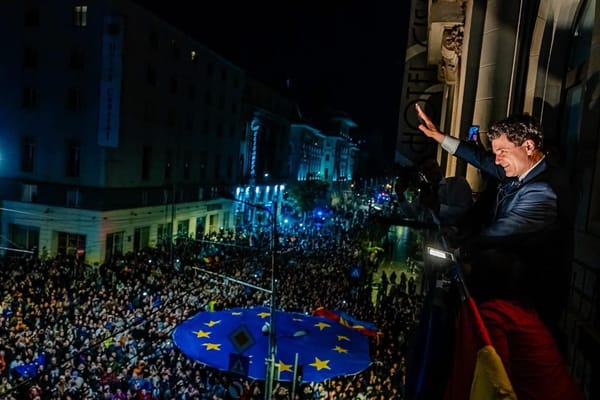
Independent pro-EU candidate Nicusor Dan won Romania’s presidential election on Sunday, 18 May, defeating far-right challenger George Simion in a runoff vote. The result represents a holding of the political centre after months of polarised campaigning, easing tensions in Brussels and Central and Eastern Europe (CEE). Dan secured 53.