Despite their export-driven economies and strong manufacturing bases, Central and Eastern Europe (CEE) countries may be more resilient to global trade tensions from US tariff policies, than previously assumed, ING bank writes in a new report.
Economies have shown resilience - ING
While CEE's close ties with Germany
The EU’s internal market is still falling short of its founding promise. Despite decades of integration, consumers across member states face uneven product quality and varied prices. This is due to regulatory fragmentation in two main forms: Territorial Supply Constraints and gold-plating. TSCs occur when suppliers block cross-border sourcing
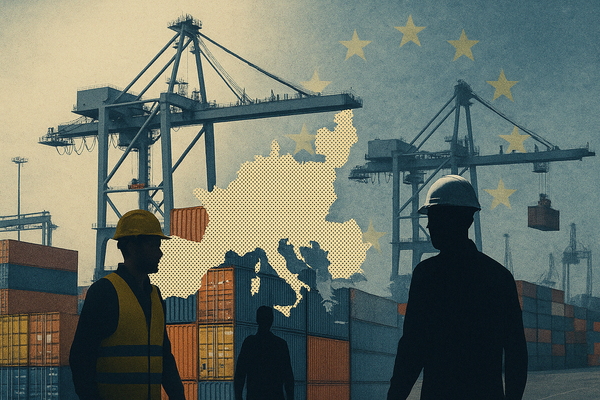
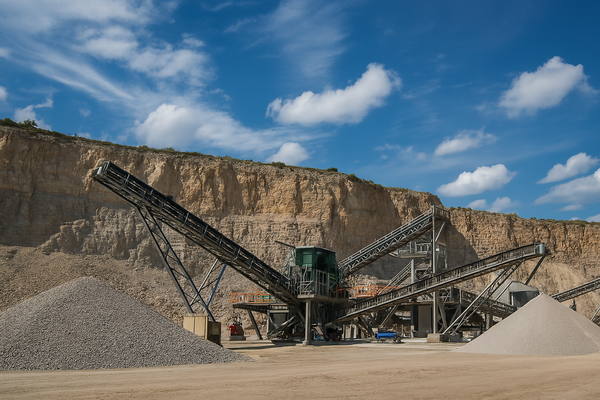
The European Commission (EC) has chosen 47 strategic projects across the EU to reduce critical raw material dependency, with Czechia, Estonia, Poland, and Romania at the forefront, marking a significant boost to regional competitiveness amid intensifying geopolitical tensions.
The EC’s selections are critical to the industrial future of Central
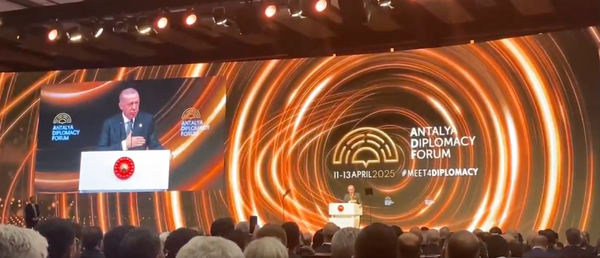
Attendees from Central and Eastern Europe (CEE) nations including Bulgaria, Hungary, Romania, Poland, Czechia, Slovakia, Moldova and others discussed policy priorities at the Antalya Diplomacy Forum in south west Turkey on 11-13 April.
The forum's theme "Reclaiming Diplomacy in a Fragmented World" set the tone for
Stock markets in Central and Eastern Europe (CEE) fell sharply after US President Donald Trump announced retaliatory tariffs on global imports on 2 April 2025, spooking the region's export-dependent economies and reviving fears of a wider economic slowdown.
CEE Stock Market Weekly Performance to 7 April 2025
Most
Startups in Central and Eastern Europe (CEE) are growing faster than in Western Europe and the CEE startup ecosystem is now worth EUR 243bn, according to the CEE Startups 2025 report.
While funding and valuations have surged in recent years, structural challenges remain, including geographic fragmentation, uneven investor coverage, and
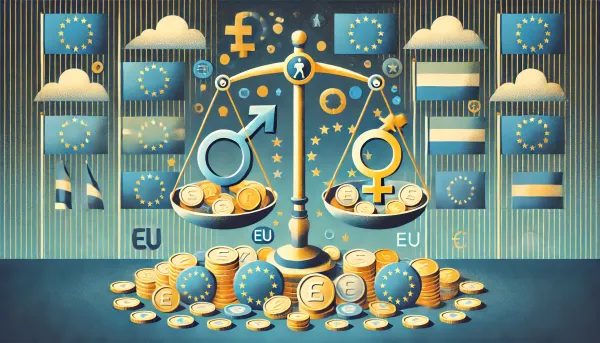
Romania and Poland have gender pay disparities among the lowest in the EU, according to Eurostat data published this month. In Central and Eastern Europe (CEE), Romania and Poland recorded the smallest gender pay gaps in 2023, at 3.6% and 4.5% respectively — both well below the EU average
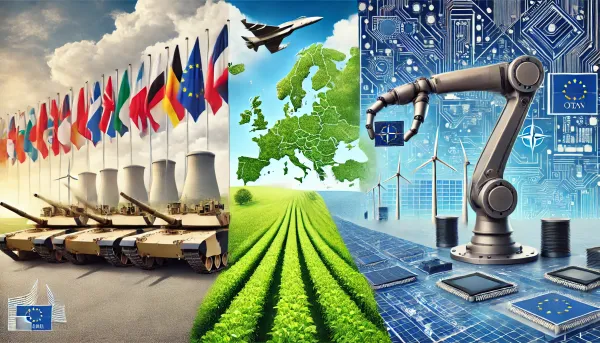
European leaders met in Brussels on 20 March to confront a mounting policy dilemma: how to balance rearmament, the green transition, and economic competitiveness. The discussions come amid slowing growth, high energy costs, and growing strategic insecurity — all while EU fiscal rules remain in place.
At the heart of the
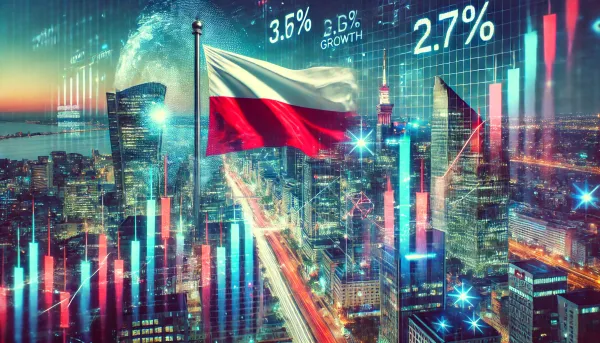
Central and Eastern Europe (CEE) is set for stronger economic growth in 2025, with GDP expected to expand by 2.6%, according to a report by Erste Group. The forecast marks an improvement from previous years, driven by higher consumer spending, increased investment, and inflows of EU funds.
Poland boosted
As political landscapes shift across Central and Eastern Europe (CEE), governments are recalibrating their approaches to Ukraine, European security, and internal governance.
The region remains split between pro-European integration and nationalist, often pro-Kremlin, forces: Czechia and Poland reinforce their commitments to Ukraine, while Hungary and Slovakia align with Moscow.
Meanwhile,
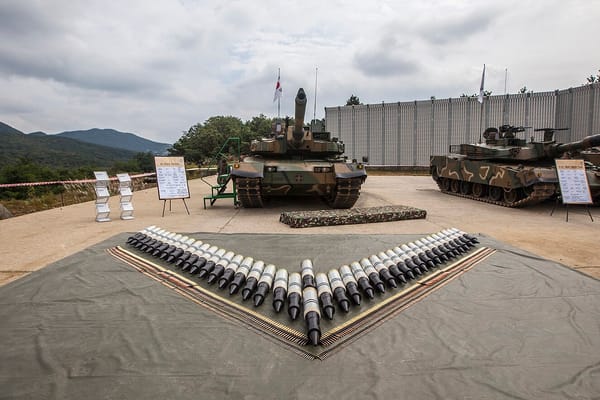
Poland is set to purchase an additional 180 K2 Black Panther main battle tanks for approximately USD 6.2bn (EUR 5.7bn), South Korean government officials announced on 9 March. The proposed agreement could be finalised as soon as next month and follows Poland’s earlier USD 12.4bn deal
Except for wartorn Ukraine, Slovakia has the most red tape in Central and Eastern Europe (CEE), according to the latest Bureaucracy Index, an annual report by the Institute of Economic and Social Studies (INESS).
The Bureaucracy Index measures the time and resources businesses must dedicate to compliance with government regulations.
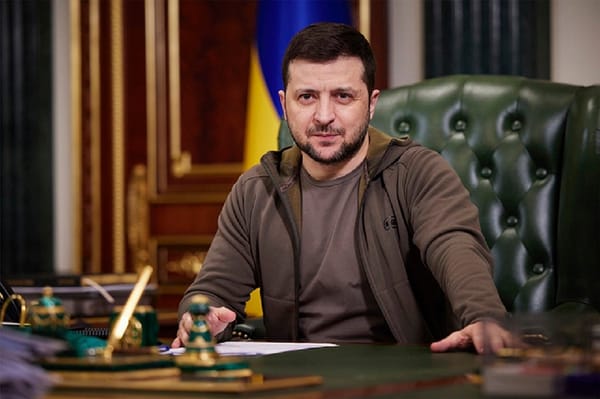
The dramatic breakdown of relations between Ukrainian President Volodymyr Zelenskyy, US President Donald Trump and US Vice President JD Vance on Friday, 28 February, is prompting Central and Eastern European (CEE) nations to urgently reassess regional defence strategies.
The meeting, streamed from the Oval Office, was ostensibly held to formalise
Ukrainian President Volodymyr Zelenskyy called on European leaders to step up their efforts towards peace in Ukraine during a string of high-level phone calls on Friday, 21 February, including several with premiers of Central and Eastern Europe (CEE) countries.
Zelenskyy stressed that Europe must act more decisively, in a televised
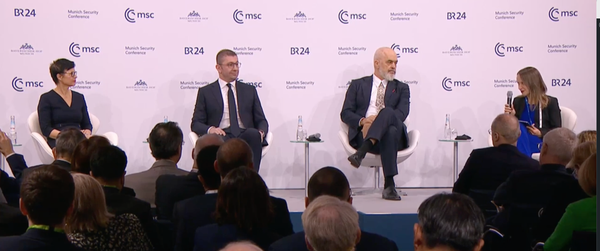
The Munich Security Conference ended on a cautiously positive note for EU candidate countries Albania and Montenegro on Sunday, 16 February.
After a tumultuous 3 days, EU Enlargement Commissioner Marta Kos namechecked Albania and Montenegro as “front-runners” for EU accession during a roundtable discussion, adding that their negotiations could be