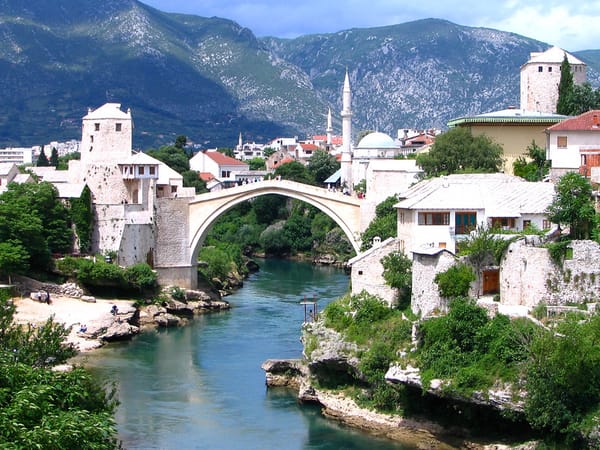
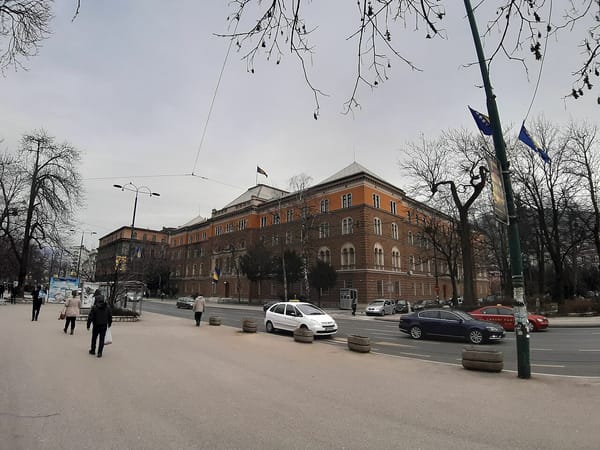
The EU can formally begin accession negotiations with Bosnia and Herzegovina (BiH) when a stable and pro-European coalition has been formed, according to Christian Schmidt, the international high representative overseeing the implementation of the Dayton Peace Agreement. The Dayton accords were signed in 1995 and ended the Bosnian War. The
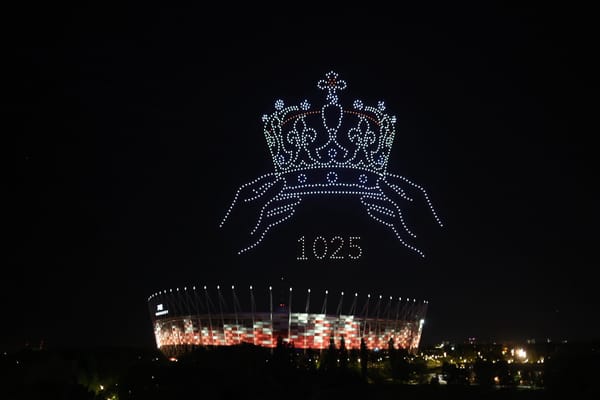
Poland has launched a new national doctrine aimed at establishing the country as the dominant military and economic power in Central and Eastern Europe (CEE).
Polish Prime Minister Donald Tusk announced the "Piast Doctrine" during a speech in Gniezno, central Poland. "Maybe today it is worth announcing
The EU’s internal market is still falling short of its founding promise. Despite decades of integration, consumers across member states face uneven product quality and varied prices. This is due to regulatory fragmentation in two main forms: Territorial Supply Constraints and gold-plating. TSCs occur when suppliers block cross-border sourcing
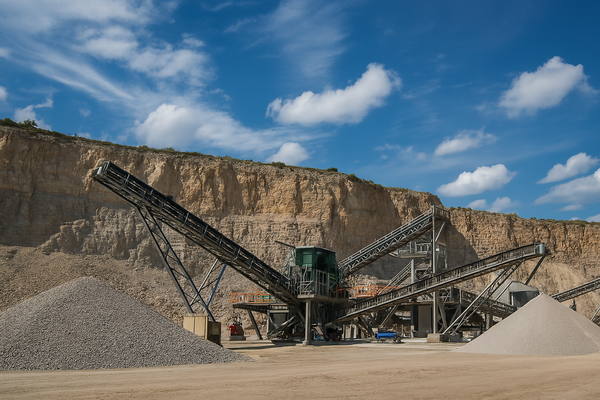
The European Commission (EC) has chosen 47 strategic projects across the EU to reduce critical raw material dependency, with Czechia, Estonia, Poland, and Romania at the forefront, marking a significant boost to regional competitiveness amid intensifying geopolitical tensions.
The EC’s selections are critical to the industrial future of Central
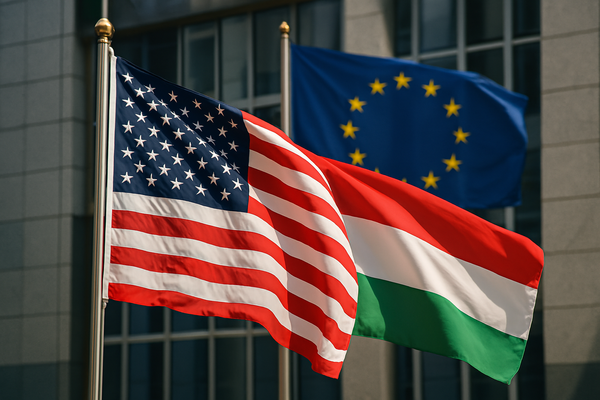
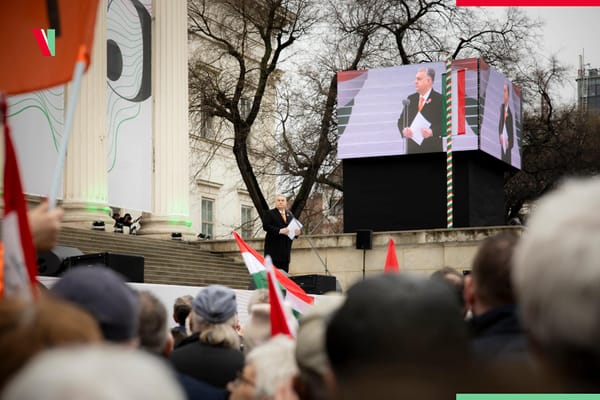
Hungary has broken ranks with the EU in response to the US's new tariffs policy, as Hungarian Prime Minister Viktor Orban seeks to preserve close ties with the Trump administration amid the resultant trade tensions.
Hungary pushes back on retaliatory tariffs
The EU confirmed on 9 April that
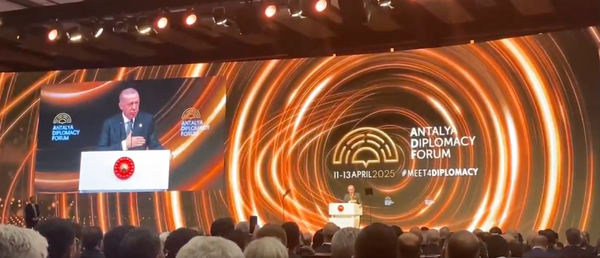
Attendees from Central and Eastern Europe (CEE) nations including Bulgaria, Hungary, Romania, Poland, Czechia, Slovakia, Moldova and others discussed policy priorities at the Antalya Diplomacy Forum in south west Turkey on 11-13 April.
The forum's theme "Reclaiming Diplomacy in a Fragmented World" set the tone for
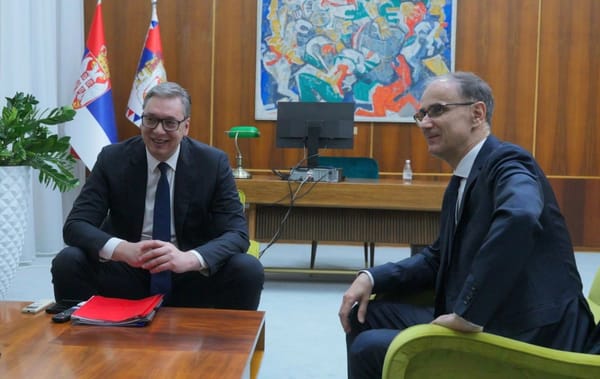
Serbian President Aleksandar Vucic nominated political newcomer Duro Macut, a 62-year-old endocrinologist and university professor, to serve as the country’s next prime minister on Monday, 7 April.
The nomination comes amid ongoing mass protests demanding political accountability for governmental scandals and infrastructure failures.
Macut’s nomination was announced weeks
When Croatia, Albania and Kosovo recently formed a new military alliance, Serbia and Hungary followed suit, reshaping the security situation in South East Europe.
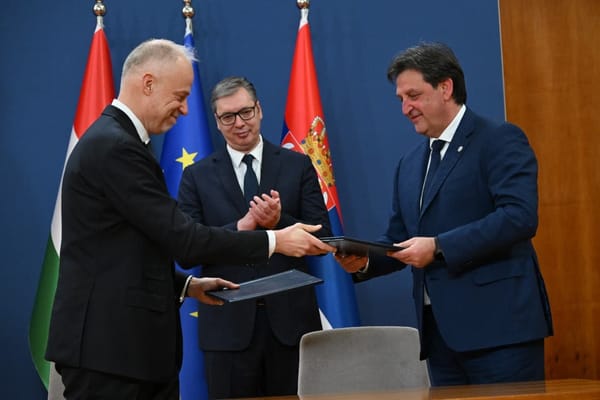
Serbian Defence Minister Bratislav Gasic and Hungarian Defence Minister Kristof Szalay-Bobrovniczky earlier this month signed a bilateral military cooperation agreement in the Serbian capital of Belgrade.
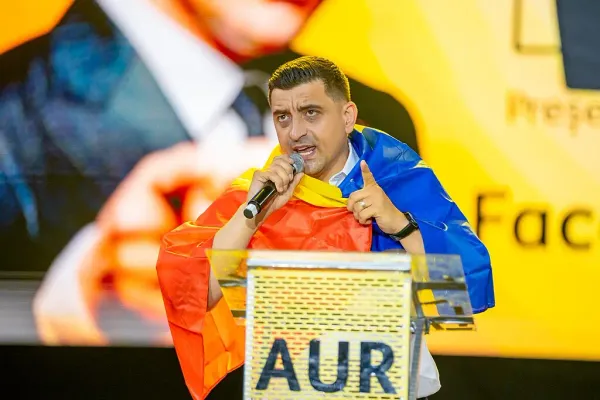
Romania will hold fresh presidential elections on 4 May, after its Constitutional Court annulled November's vote, citing Russian interference.
However, the decision to disqualify nationalist frontrunner Calin Georgescu has seemingly propelled far-right leader George Simion into a commanding position, fuelling concerns about the direction of Romanian democracy.
Generational
Republika Srpska (RS) President Milorad Dodik announced that he had arrived in Moscow on Monday 31 March, after Bosnia and Herzegovina (BiH) prosecutors ordered an international arrest warrant for his alleged flouting of the BiH Constitution.
BiH is facing its biggest political challenge in years, as Dodik escalates a legal
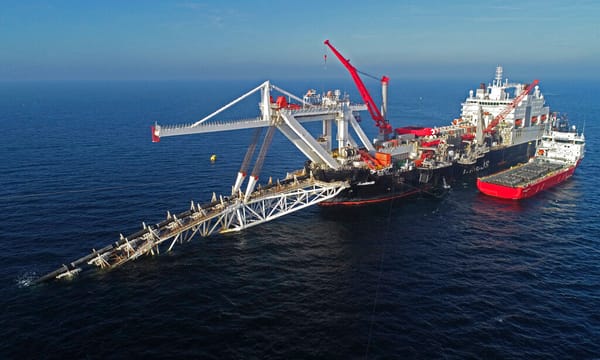
The US and Russia are discussing the potential reopening of the Nord Stream 2 gas pipeline, raising significant concerns across Europe, according to media reports.
The natural gas pipeline, which runs beneath the Baltic Sea, aimed to double Russian gas exports to Germany. However, it has remained inactive since its
As political landscapes shift across Central and Eastern Europe (CEE), governments are recalibrating their approaches to Ukraine, European security, and internal governance.
The region remains split between pro-European integration and nationalist, often pro-Kremlin, forces: Czechia and Poland reinforce their commitments to Ukraine, while Hungary and Slovakia align with Moscow.
Meanwhile,
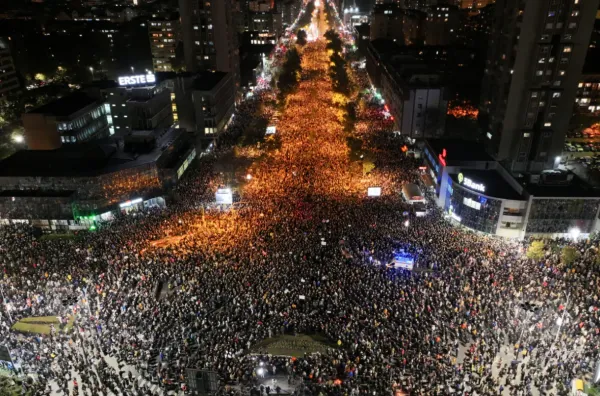
Crowds flooded the streets of the Serbian capital of Belgrade on Saturday, 15 March, in the largest demonstration of the recent anger towards the government to date, and possibly the biggest protest in the Balkan country’s history.
The students leading the protests are demanding government accountability regarding the collapse
Poland is rapidly emerging as a key hub for technological innovation and investment in Central and Eastern Europe (CEE), attracting major commitments from global tech companies such as Microsoft and Google.
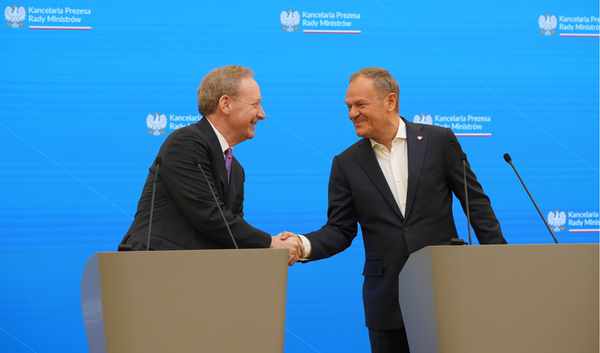
Microsoft has announced an investment of nearly PLN 3bn (around USD 700mn) to strengthen Poland’s cybersecurity infrastructure and
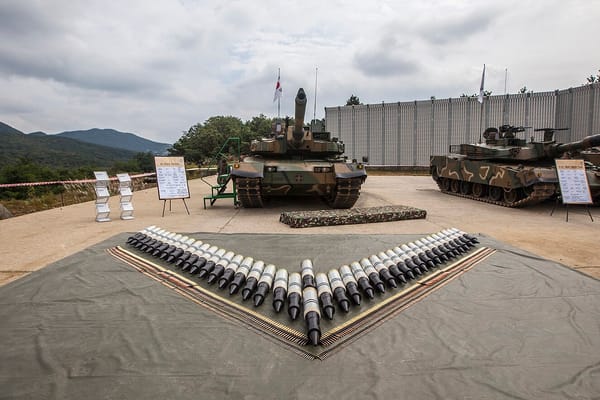
Poland is set to purchase an additional 180 K2 Black Panther main battle tanks for approximately USD 6.2bn (EUR 5.7bn), South Korean government officials announced on 9 March. The proposed agreement could be finalised as soon as next month and follows Poland’s earlier USD 12.4bn deal